SPF 50 vs SPF 30: What's the Difference?
Short answer: Both SPF 30 and SPF 50 give strong protection against UVB rays, the rays that cause sunburn. SPF 50 filters slightly more UVB than SPF 30, but the gap is small. How much you apply, whether you reapply, and whether the sunscreen also protects against UVA matter just as much as the number on the bottle.
Walk into any skincare store and you will find sunscreens labelled SPF 30, SPF 50 and sometimes even higher. It is easy to feel confused. What does the number actually mean? And is SPF 50 really much better than SPF 30?
Let us simplify it. In this guide, we explain what SPF means, how SPF 30 and SPF 50 are different, why the label is not the whole story, and how to pick a sunscreen that you will happily wear every day.
What Does SPF Mean?
SPF stands for Sun Protection Factor. It mainly tells you how well a sunscreen protects against UVB radiation. UVB is the type of ultraviolet ray that is mostly responsible for sunburn.
A higher SPF number means more protection against UVB, measured under standard testing conditions. In these tests, a fixed amount of sunscreen is spread on the skin in a controlled setting. That is important to remember, because real life is rarely as neat as a test room.
SPF 30 vs SPF 50: How Big Is the Difference?
Both SPF 30 and SPF 50 give significant UVB protection when they are well made and applied properly. Under test conditions, SPF 30 filters about 97 percent of UVB rays, and SPF 50 filters about 98 percent.
On paper, that gap looks tiny, and it is. But it can still matter in daily life. Most people apply less sunscreen than the amount used in testing, so the protection they actually get is lower than the number on the label. A higher SPF gives you a little more cushion, especially on days when you will be outdoors in strong sun.
It also means that SPF 30 is not a bad choice. Many skin experts suggest using at least SPF 30 every day. If you will be outside for long hours, or you know you tend to apply a thin layer, SPF 50 can offer extra peace of mind.
Is SPF 50 Twice as Strong as SPF 25?
This is a very common question, and the answer is no. SPF is not a simple straight line. Doubling the number does not double the protection. The jump from SPF 15 to SPF 30 adds much more than the jump from SPF 30 to SPF 50, because each step filters only a little of what is left.
This is why chasing a very high number is not always useful. After a certain point, the extra gain is small, and the way you use the sunscreen becomes the bigger factor.
Does a Higher SPF Last Longer?
No. This is one of the most common mistakes people make. A higher SPF does not mean you can stay out longer or skip reapplying. SPF 50 still needs to be reapplied as the directions say, especially after sweating, swimming, towel drying or a long time outdoors.
Think of SPF as the strength of protection, not the length of it. How long your sunscreen stays on your skin depends on your activity, the weather and how you wear it, not on the number alone.
SPF Is Not the Whole Story
A sunscreen should not be judged only by its SPF number. SPF tells you about UVB, but UVA rays reach your skin too. UVA rays go deeper and are linked to early signs of ageing and uneven tone. That is why it is wise to look for a broad-spectrum sunscreen, which is made to help protect against both UVA and UVB.
In a country like India, where people get strong sunlight for much of the year, UVA protection is especially relevant. A sunscreen with a good SPF but weak UVA protection is only doing half the job.
PA++++ Explained
You may also see letters and plus signs, such as PA++++, on a sunscreen label. The PA system is linked to UVA protection. The more plus signs there are, the higher the UVA protection. PA++++ is the highest level in this commonly used rating.
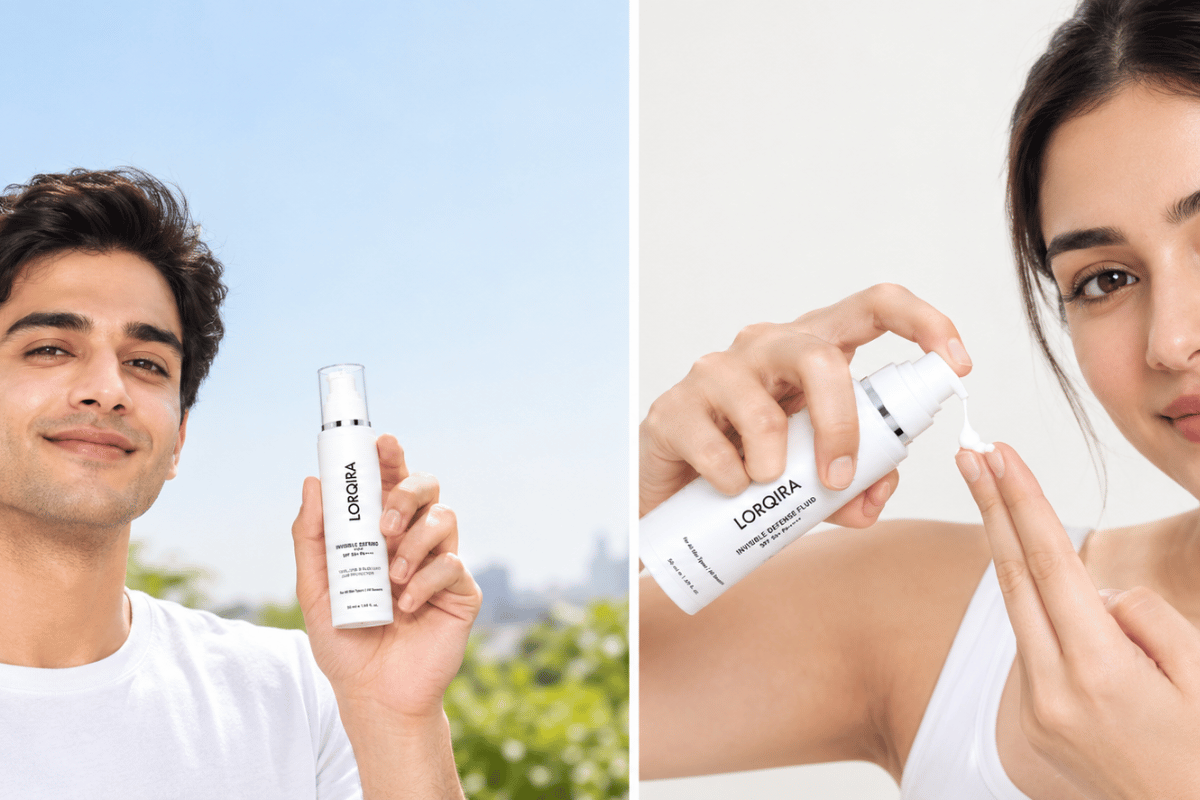
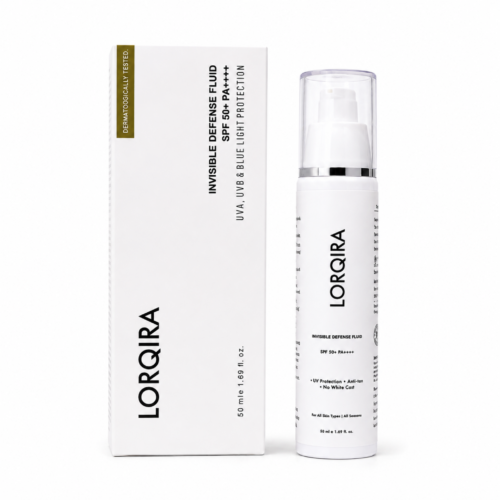
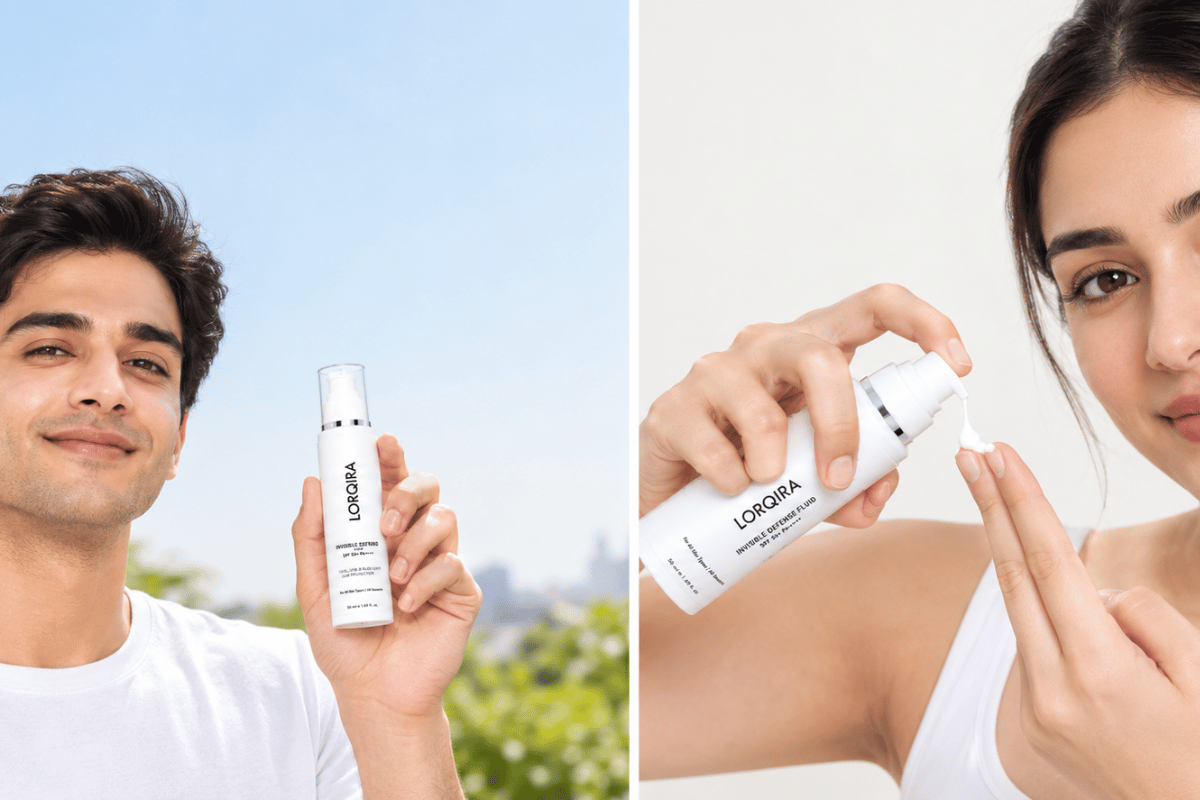
When you check both the SPF number and the PA rating, you get a clearer picture of the sunscreen. SPF tells you about UVB protection, and PA tells you about UVA protection. LORQIRA Invisible Defense Fluid is labelled SPF 50+ and PA++++, so it shows both on the pack.
How to Choose the Right Sunscreen for Daily Use
Start with the SPF level. SPF 30 or higher is a good place to begin for daily use. Then check that it is broad-spectrum, and look for a PA rating if you want a clear sign of UVA protection.
After that, think about the things that decide whether you will actually use it. Does the texture feel comfortable on your skin? Does it sit well under makeup? Is it light enough for hot and humid weather? Does your skin stay calm when you wear it? And can you realistically reapply it during the day?
This last part is the key. A sunscreen that feels comfortable enough to wear every day is usually more useful than a higher number you dislike and skip. The best sunscreen is the one you use properly and use often.
How to Apply Sunscreen So the SPF Works
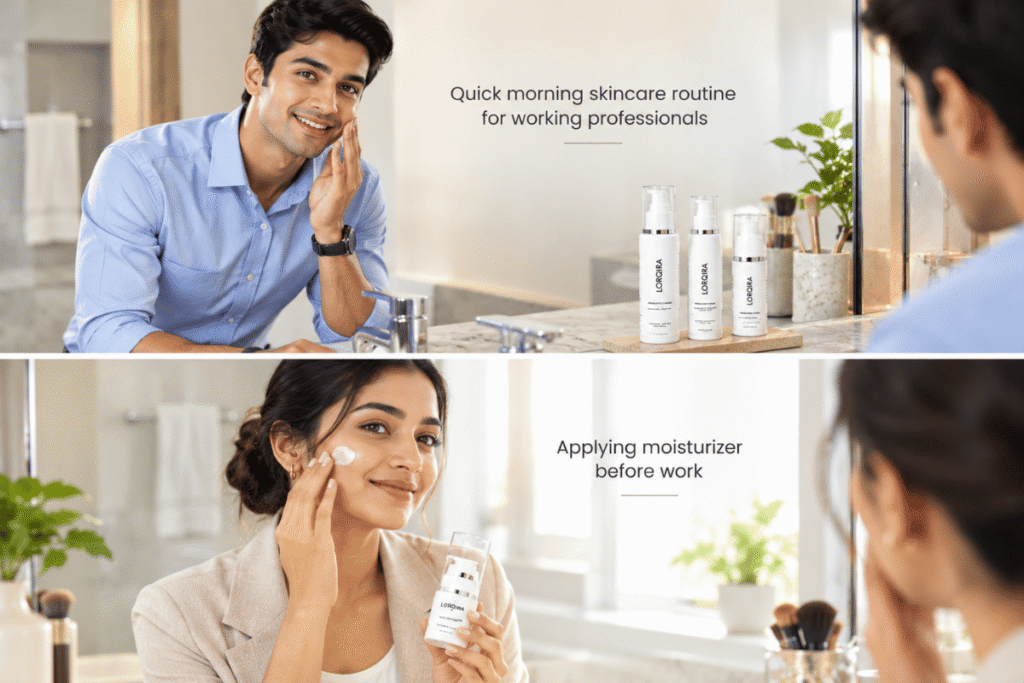
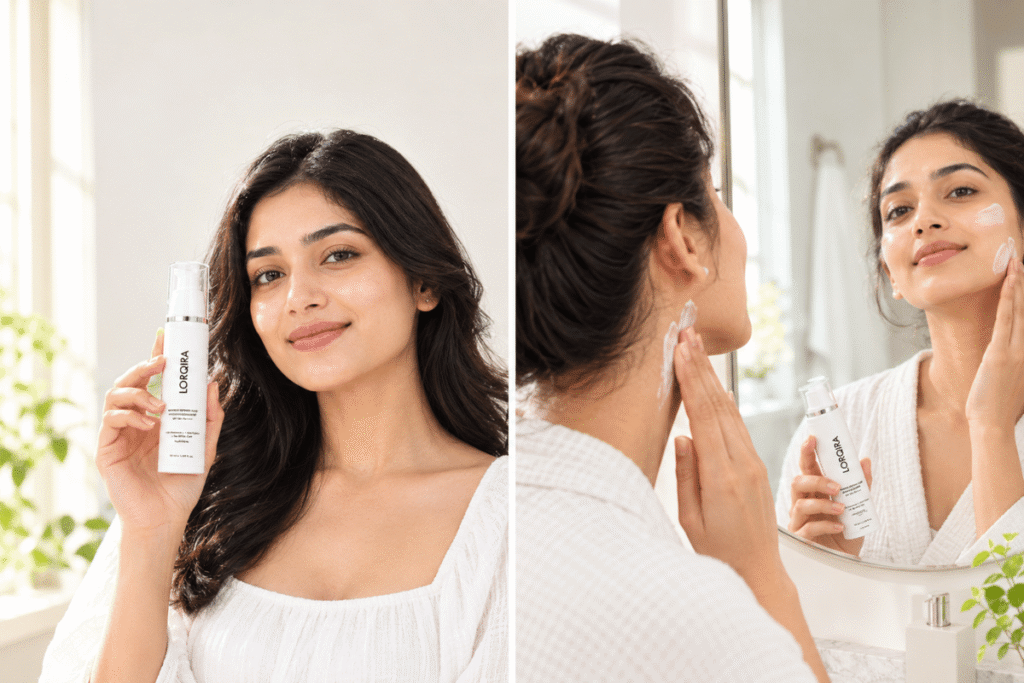
The number on the bottle only works if you apply enough. Follow the product directions and use a generous, even layer on your face, neck and ears. Do not forget the sides of your face and your hairline. Apply sunscreen as the final step of your morning skincare routine, after moisturizer and before makeup.
Reapply when the directions say so, and more often if you are sweating or spending long hours outside. Pair your sunscreen with shade, a hat and sunglasses, because no sunscreen blocks every ray.
LORQIRA Invisible Defense Fluid SPF 50+ PA++++
LORQIRA Invisible Defense Fluid is designed for daily use with a lightweight fluid texture. It combines UV filters with skincare ingredients such as niacinamide. The goal is straightforward: daily protection without making your routine complicated.
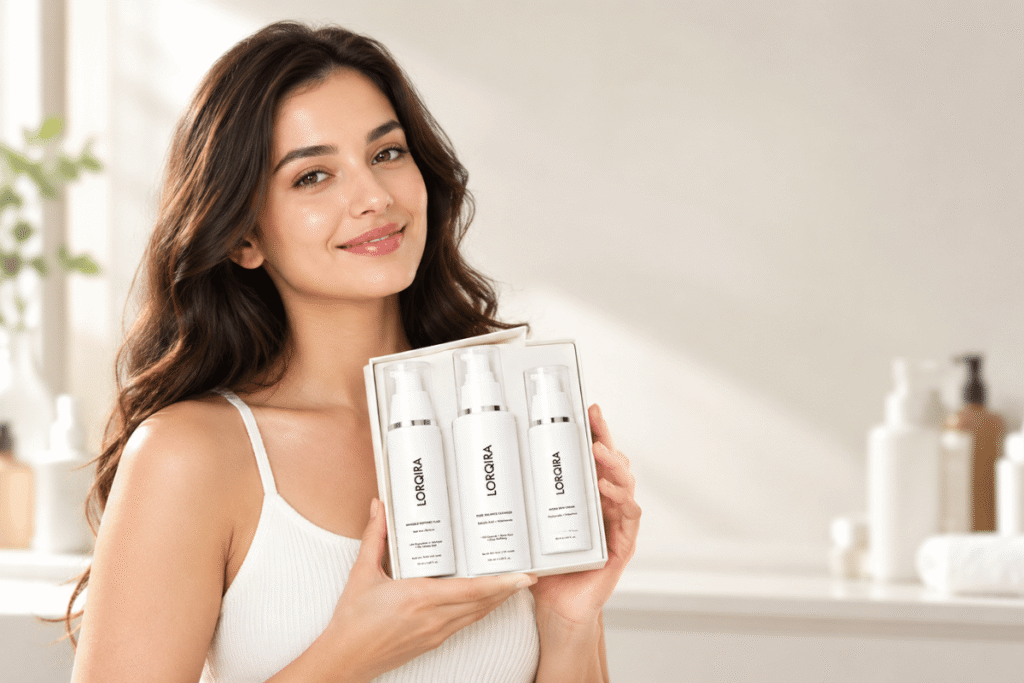
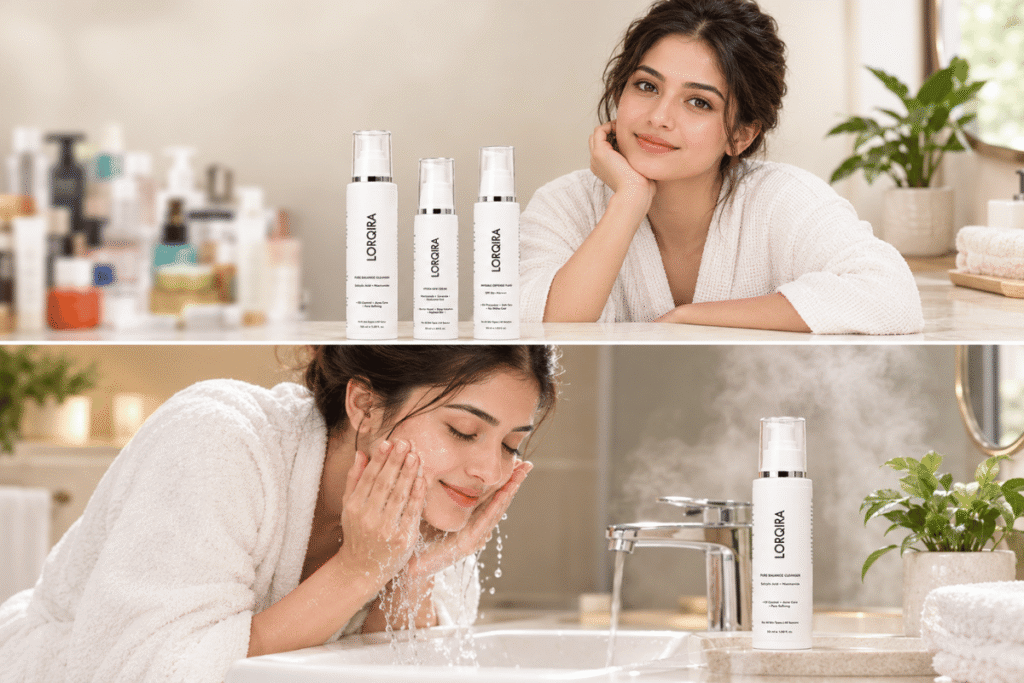
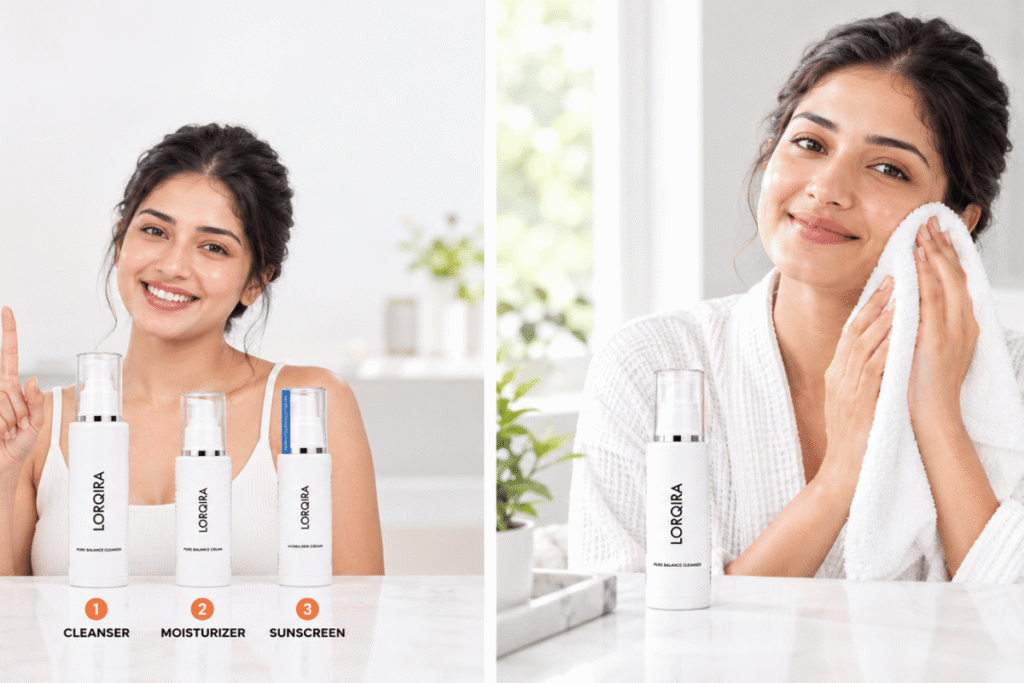
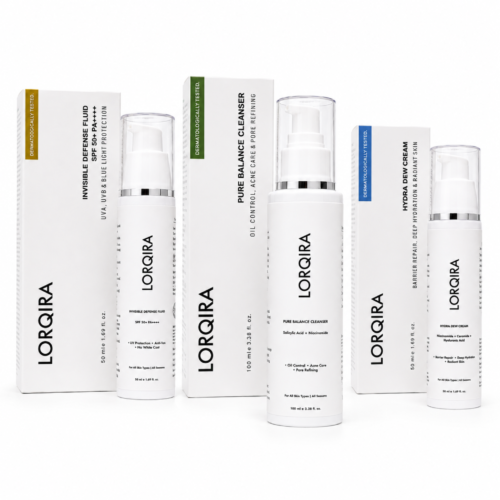
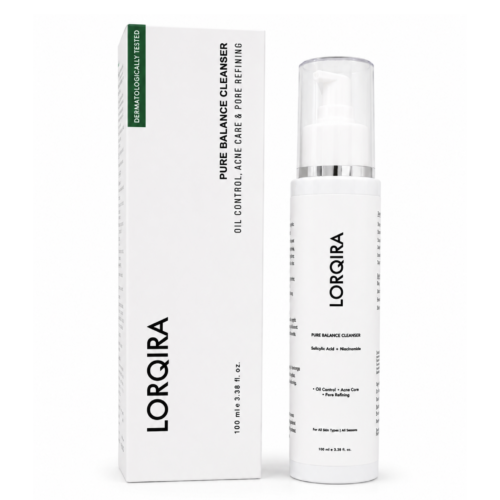
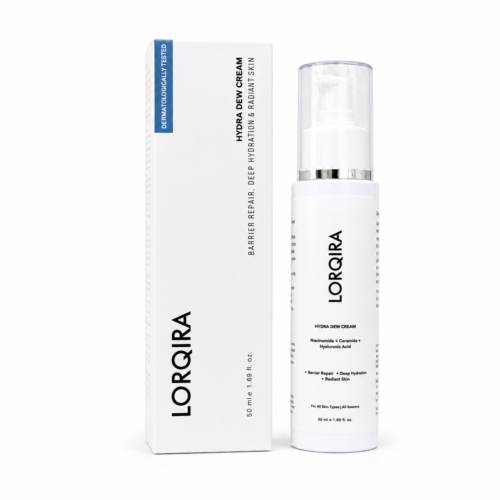
It works best as the last step of a simple routine. Cleanse with Pure Balance Cleanser, moisturize with Hydra Dew Cream, and finish with sunscreen. If you would like all three together, the LORQIRA Daily Defense Kit keeps these steps in one set.
The Bottom Line
Instead of worrying about whether SPF 30 or SPF 50 sounds more impressive, focus on the habits that make sun protection work. Choose a properly made broad-spectrum sunscreen, apply enough, and reapply when it is time. Add shade and sensible habits on top. That simple routine will do more for your skin than any single number on a label.
Frequently Asked Questions About SPF 50 and SPF 30
Is SPF 50 better than SPF 30?
SPF 50 gives a slightly higher labeled level of UVB protection under standard testing. But correct and sufficient application matters just as much as the number.
What does SPF mean?
SPF stands for Sun Protection Factor. It mainly shows how well a sunscreen protects against UVB rays, which cause sunburn.
How much more protection does SPF 50 give than SPF 30?
Under test conditions, SPF 30 filters about 97 percent of UVB rays and SPF 50 about 98 percent. The difference is small but can matter when people apply less than the tested amount.
Is SPF 50 twice as strong as SPF 25?
No. SPF is not a simple straight scale, so doubling the number does not double the protection.
Does SPF 50 protect against UVA?
SPF mainly measures UVB protection. For UVA, look for a broad-spectrum label or a PA rating, such as PA++++.
What does PA++++ mean?
PA is a rating linked to UVA protection. PA++++ is the highest level in the commonly used PA system.
Which SPF is best for daily use?
SPF 30 or higher is a common choice for daily use. SPF 50 can be helpful if you spend long hours outdoors or tend to apply a thin layer.
Does higher SPF mean I can skip reapplying?
No. Even SPF 50 needs to be reapplied as the product directions say, especially after sweating, swimming or towel drying.
Can I stay in the sun longer with SPF 50?
SPF is not a reason to stay in the sun for longer. Shade, hats, sunglasses and clothing are still important.
What does broad-spectrum mean?
Broad-spectrum means the sunscreen is made to help protect against both UVA and UVB rays.
Should I choose SPF based only on the number?
No. Also consider broad-spectrum protection, texture, how your skin feels, how much you will apply and whether you can reapply easily.
Is SPF 50+ PA++++ suitable for everyday use?
Many people use a lightweight SPF 50+ PA++++ sunscreen every day. Choose a texture that feels comfortable so you can use it consistently.