
Salicylic Acid vs Niacinamide: What Does Your Skin Actually Need?
Short answer: Salicylic acid is a pore-focused exfoliating ingredient, while niacinamide is a conditioning ingredient that supports the skin barrier and helps balance the look of oil. They do different jobs, so they are not rivals. Many products combine them, and they can be used together if your skin feels comfortable.
Flip over any skincare bottle and you will probably find a long list of ingredients you cannot pronounce. Two names show up again and again: salicylic acid and niacinamide. Both are popular, both are easy to find, and both are often found in products made for oily or breakout-prone skin. That makes many people wonder which one they should pick.
The good news is that you do not have to choose. In this guide, we explain in simple words what each ingredient does, how they are different, whether you can use them together, and what is inside LORQIRA Pure Balance Cleanser.
What Is Salicylic Acid?
Salicylic acid is a beta hydroxy acid, often called BHA. The most important thing to know about it is that it is oil-soluble. That means it can mix with the oil on your skin and travel into your pores, unlike many other exfoliating acids that mostly work on the surface.
Once inside the pore, salicylic acid helps loosen the buildup of oil and dead skin cells. This is why it is so common in products made for oily and blemish-prone skin. At the right strength, it can be a useful part of a routine focused on keeping pores clear and skin looking smooth.
Because it is an exfoliating ingredient, it is also one that deserves some respect. Too much, used too often, can leave skin dry, tight or irritated. Gentle and steady use usually works better than strong and sudden use.
What Is Niacinamide?
Niacinamide is a form of vitamin B3, and it is one of the most widely used ingredients in modern skincare. People like it because it does many useful things at once and is usually well tolerated.
Niacinamide can support the skin barrier, which is the outer layer that holds in water and keeps out irritants. It can also help improve the look of uneven skin tone and help balance the look of excess oil. You can find it in cleansers, serums and moisturizers, and it fits easily into most routines.
Think of niacinamide as a supportive ingredient. It does not exfoliate or scrub anything. Instead, it helps skin feel comfortable, balanced and well looked after.
Salicylic Acid vs Niacinamide: The Main Difference
The easiest way to remember the difference is this. Salicylic acid is about exfoliation and pore-focused care. Niacinamide is about barrier support, oil balance and overall skin conditioning.
One works inside the pores to keep them clear. The other works across the skin to help it stay calm and healthy. Because their jobs are different, they are not really competing with each other. In fact, they can work well as a team, because one helps clear the way while the other helps the skin stay comfortable.
Can You Use Salicylic Acid and Niacinamide Together?
Yes, in most cases you can. Many well-made skincare products already contain both in the same formula. They can be used together depending on the product and on how your skin feels.
That said, more active ingredients are not automatically better. Using several strong products at once can overload your skin, especially if you are new to actives. If your skin starts to feel red, stingy, dry or tight, take it as a sign to slow down. Cut back to fewer products, use them less often, and let your skin settle before adding anything new.
A simple approach works best. Start with one product that contains these ingredients, use it for a few weeks, and watch how your skin responds. If you want to try a new product, add only one at a time, and do a small patch test first. It also helps to wear sunscreen every morning, because skin care routines that include exfoliating ingredients work best when your skin is protected from the sun.
Which One Is Right for Your Skin?
If your skin feels oily, gets clogged pores or tends to break out, an ingredient like salicylic acid may be a helpful part of your routine. If your skin feels uneven, tired, dehydrated or easily upset, niacinamide is a gentle supporting ingredient that suits many people.
If your skin is dry or very sensitive, go slowly with salicylic acid and focus first on gentle cleansing and good moisture. In hot and humid places like much of India, oily skin and clogged pores are very common during summer and monsoon, so a lightweight routine with a balanced cleanser often feels most comfortable.
If you have ongoing acne, painful breakouts or skin that keeps reacting, it is wise to speak to a dermatologist. Skincare products are made for everyday care, and a doctor can guide you if something needs more attention.
LORQIRA Pure Balance Cleanser: What Is Inside?
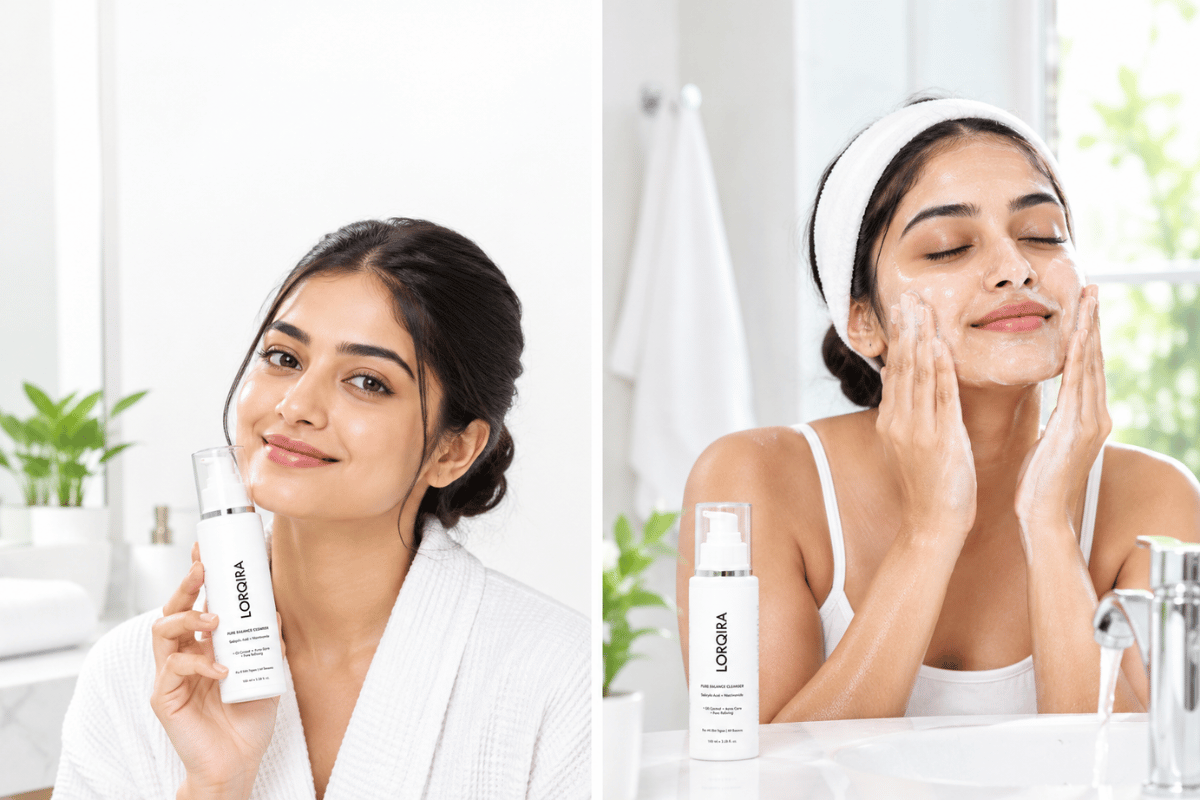
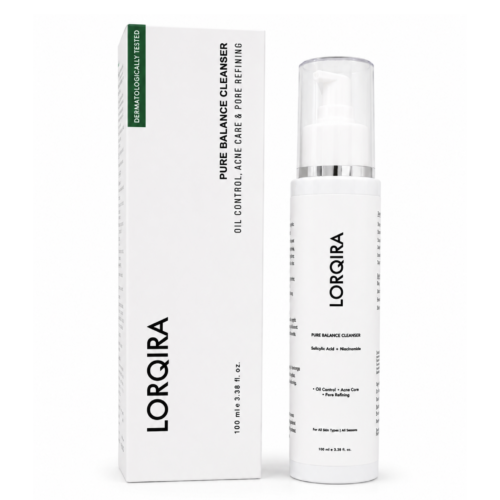
LORQIRA Pure Balance Cleanser is made to bring these two ingredients into one simple daily cleansing step. It is designed to combine cleansing with ingredients chosen for balanced everyday skin care.
Here is the ingredient list: 1% Salicylic Acid, 2% Niacinamide, 0.7% Zinc PCA, 1% Panthenol, 4.5% Glycerin, 0.5% Allantoin, 1.5% Aloe Vera, 1% Green Tea Extract, 0.3% Ectoin and a Prebiotic Complex.
Let us look at what each one brings. Salicylic acid is the pore-focused ingredient, and niacinamide is there for barrier support and oil balance. Zinc PCA is a skin-friendly ingredient often used in products for oily skin. Panthenol, which comes from vitamin B5, and glycerin help skin hold on to water so it does not feel dry after washing. Allantoin and aloe vera are known for their soft, soothing feel. Green tea extract is a plant ingredient often used for its antioxidant qualities. Ectoin is a gentle conditioning ingredient, and the prebiotic complex is included to support the comfort of your skin.
Together, the formula is built to clean your skin without leaving it feeling stripped. That is important, because a cleanser that removes too much oil can make skin feel tight, and tight skin often makes even more oil.
How to Use a Salicylic Acid and Niacinamide Cleanser
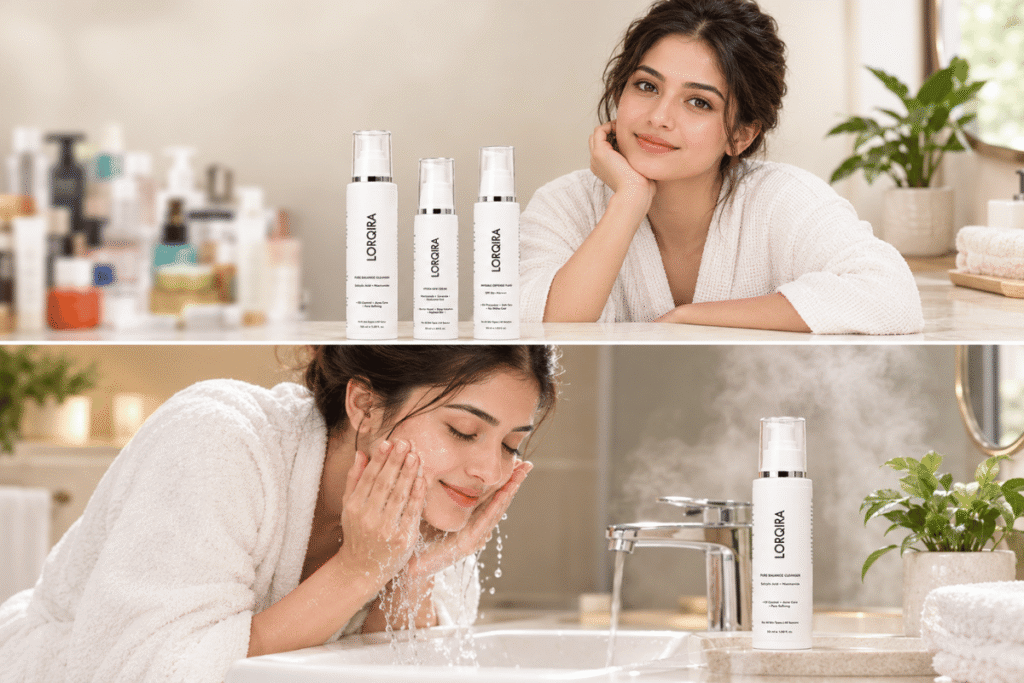
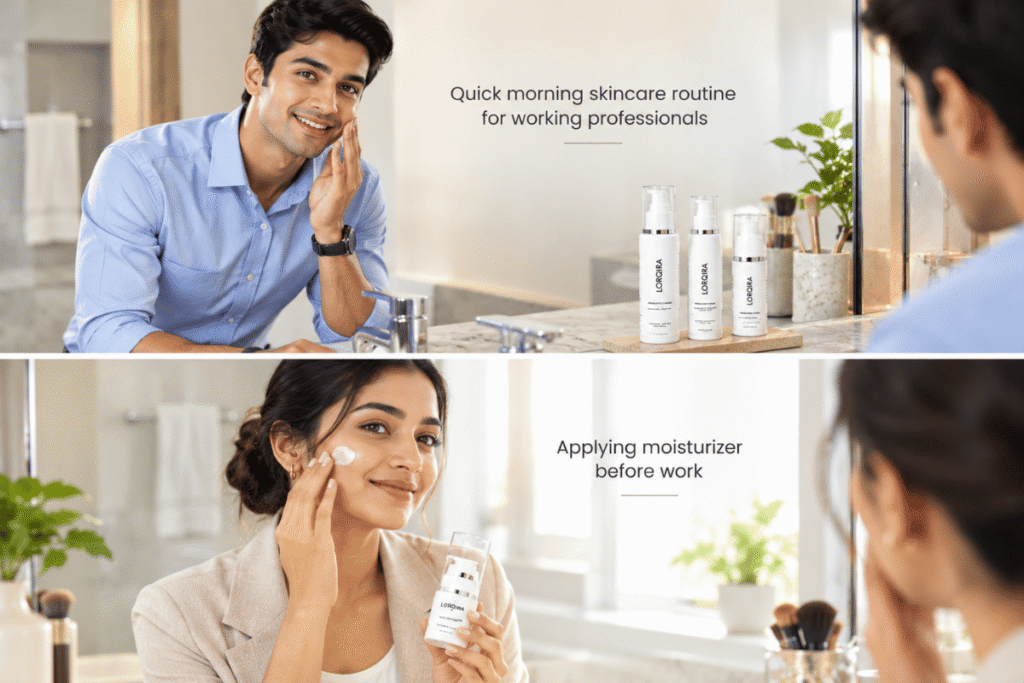
Wet your face with lukewarm water and massage a small amount of cleanser gently over your skin for about a minute, avoiding the eye area. Rinse well and pat your face dry with a clean towel. Follow with a moisturizer straight away while your skin is still a little damp. In the morning, finish with sunscreen.
Because it is a cleanser, it stays on your skin for only a short time before you rinse it off. This makes it a gentle way to enjoy these ingredients every day. If your skin is new to salicylic acid, you can start by using it once a day and slowly build up as your skin gets used to it.
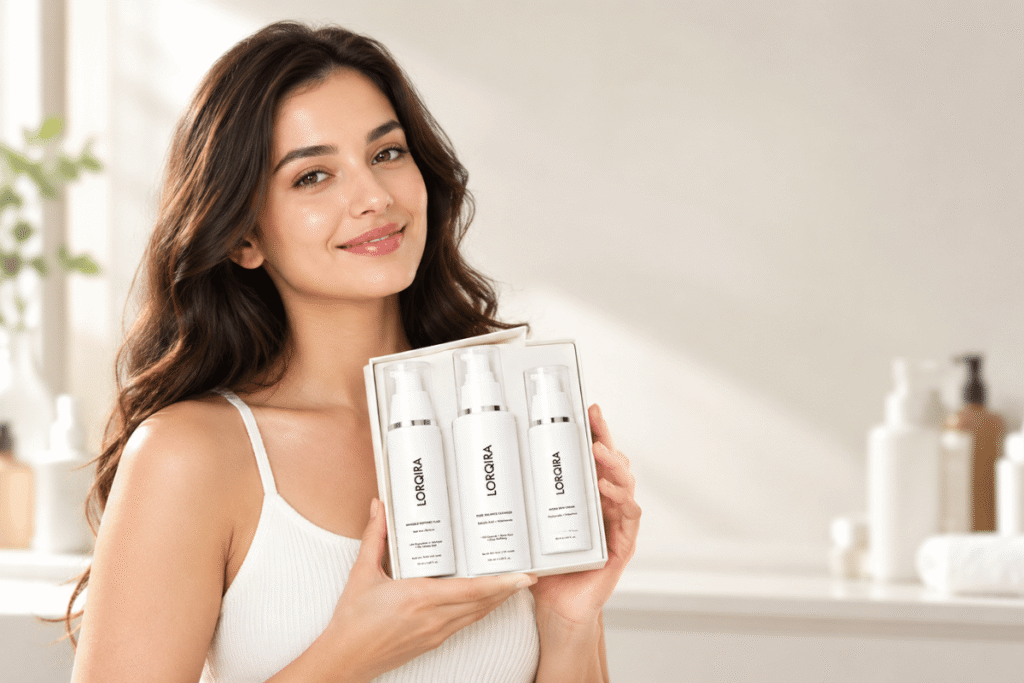
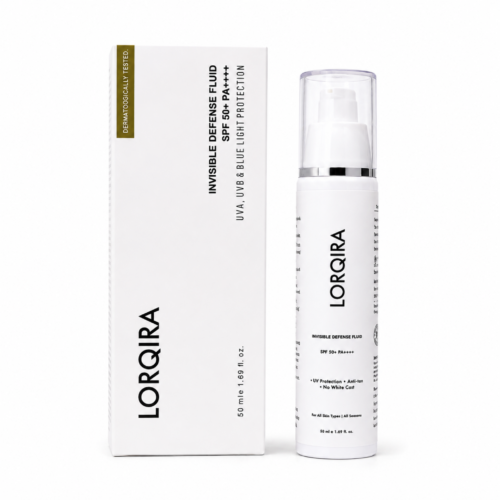
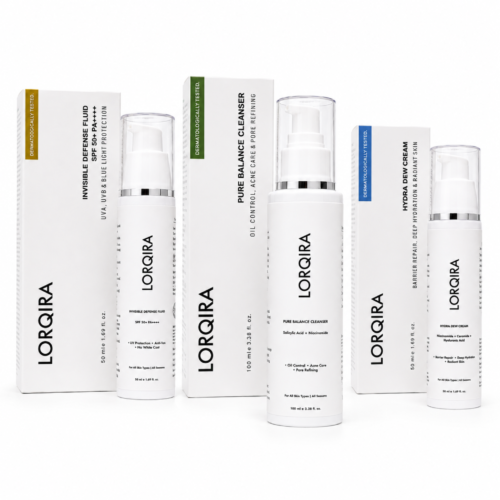
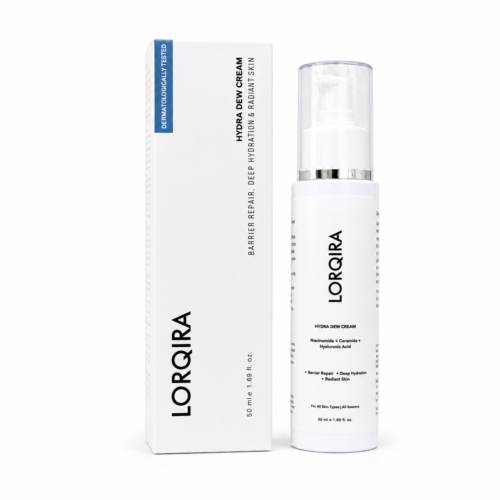
To keep your routine complete, pair it with Hydra Dew Cream for daily hydration and Invisible Defense Fluid for daily sun protection. If you would like all three together, the LORQIRA Daily Defense Kit keeps the cleanse, hydrate and protect steps in one set.
The Important Part: Do Not Chase Ingredients
Seeing a trending ingredient on social media does not mean you need it. Skincare trends move fast, but your skin does not change that quickly. The best products for you are the ones that suit your skin, fit your routine and keep your skin comfortable.
Choose products based on how your skin actually behaves, not on how many ingredients are in the bottle. Skincare is about consistency, not about collecting ingredients.
Final Thoughts
Salicylic acid and niacinamide are two helpful ingredients with two different jobs. One focuses on keeping pores clear, and the other supports your skin barrier and helps balance oil. They can work well together when they are in a thoughtful formula and used with care.
Keep your routine simple, give your skin time to adjust, protect it from the sun every morning, and avoid adding too many new things at once. That is the easiest way to get steady, comfortable skin over time.
Frequently Asked Questions About Salicylic Acid and Niacinamide
Is salicylic acid good for oily skin?
Salicylic acid is commonly used in skincare for oily and blemish-prone skin because of its exfoliating and pore-focused properties.
What does niacinamide do for the skin?
Niacinamide can support the skin barrier, help with the look of excess oil and uneven tone, and add to overall skin conditioning.
Can salicylic acid and niacinamide be used together?
Yes. They can be formulated and used together, depending on the product and your skin's tolerance. Start slowly and watch how your skin responds.
What is the difference between salicylic acid and niacinamide?
Salicylic acid is an exfoliating ingredient that focuses on pores, while niacinamide supports the skin barrier and balances the look of oil.
Is a salicylic acid cleanser safe for daily use?
Many people use a gentle salicylic acid cleanser daily. If your skin feels dry or irritated, use it less often and follow with a moisturizer.
Is stronger always better in skincare?
No. The right formula, how often you use it and your skin's tolerance matter more than choosing the highest percentage.
Can dry or sensitive skin use salicylic acid?
Some can, but it is best to go slowly. Patch test first, use it less often at the start, and talk to a dermatologist if you are unsure.
Do I need sunscreen when using salicylic acid?
Yes. Daily sunscreen is a good habit for everyone, and it is especially useful when your routine includes exfoliating ingredients.
What does Zinc PCA do in a cleanser?
Zinc PCA is a skin-friendly ingredient often used in products for oily skin to help balance the look of shine.
What ingredients are in LORQIRA Pure Balance Cleanser?
It contains 1% Salicylic Acid, 2% Niacinamide, 0.7% Zinc PCA, 1% Panthenol, 4.5% Glycerin, 0.5% Allantoin, 1.5% Aloe Vera, 1% Green Tea Extract, 0.3% Ectoin and a Prebiotic Complex.
Should I use a moisturizer after a salicylic acid cleanser?
Yes. A moisturizer helps your skin hold water and stay comfortable after cleansing, even if your skin is oily.
When should I see a dermatologist about acne or breakouts?
See a dermatologist if you have painful, ongoing or severe breakouts, or if your skin keeps reacting to products.