Why Your Skin Feels Oily, Dry or Sensitive in Different Seasons
Short answer: Your skin changes with the weather because heat, humidity, cold and dry air all change how much water and oil your skin holds. This is normal. You rarely need a brand new routine. A simple base of cleanser, moisturizer and sunscreen, with small changes in texture and amount, works well in every season.
Have you ever noticed that your face feels shiny and sticky in July, but tight and flaky in January? Many people think their skin type has changed or that their products have stopped working. In most cases, neither is true. Your skin is simply reacting to the air around it.
In this guide, we explain in easy words why your skin feels oily, dry or sensitive in different seasons. We also share how to adjust your seasonal skincare without buying a whole new set of products every few months.
What Is Seasonal Skincare?
Seasonal skincare means making small, sensible changes to your routine as the weather changes. It does not mean throwing away your products and starting again. Think of it like your wardrobe. You wear the same basic clothes all year, but you add a light jacket in winter and choose thinner fabrics in summer.
Your skin works the same way. The basic steps stay the same, and only the details change.
Why Does Weather Affect Your Skin?
Your skin is your body's outer layer, so it is always in contact with the environment. Temperature, humidity, sunlight, wind, and even air conditioners and heaters all change how your skin feels.
The outer layer of your skin is called the skin barrier. It holds in water and keeps out dust and irritants. When the weather is very hot, very cold or very dry, this barrier has a harder job. Water leaves the skin more easily, and the skin may produce more oil or feel more easily upset.
This is why changing skin with the seasons is so common, whether you live in a hot city like Delhi, a humid coastal town, or a hill area with cold winters.
Why Does Skin Feel Oily in Summer?
When the weather is hot and humid, your body sweats more to cool down. Your skin can also feel oilier because heat makes the natural oil on your face spread more easily. Sweat, oil, dust and sunscreen can mix together on the surface and make your face feel heavy and sticky by afternoon.
Many people respond by washing their face again and again, or by skipping moisturizer. This often backfires. When you strip away too much oil, your skin can feel tight and uncomfortable, and it may try to make even more oil.
A better approach is to use a gentle cleanser, a lightweight moisturizer, and a light sunscreen that does not feel greasy. You still need hydration in summer. The texture simply needs to feel lighter.
Why Does Skin Feel Dry in Winter?
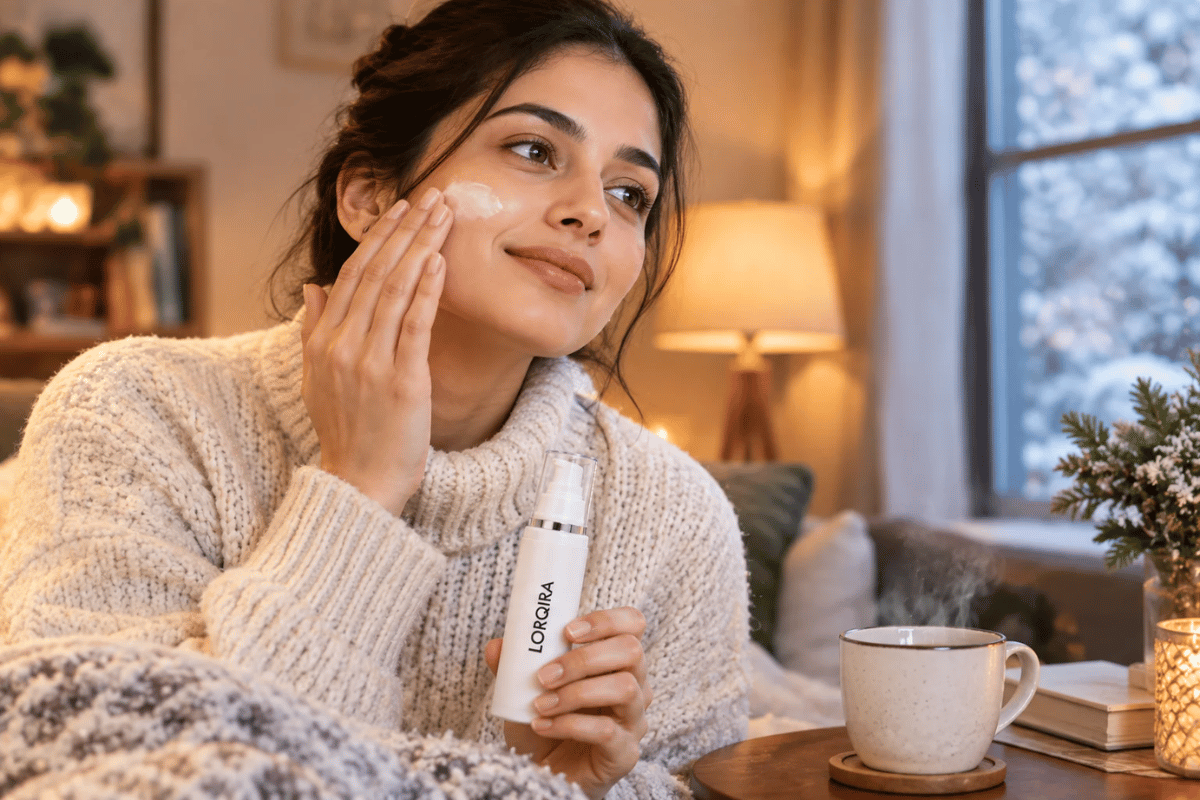
Cold air holds less moisture. Indoor heaters and hot showers make things worse. As a result, water leaves your skin faster, and your face, lips and hands can feel rough, tight or flaky.
In dry weather, your skin barrier can also become weaker. A weak barrier does not hold water well, so even a good moisturizer may seem to disappear quickly. That is why winter skincare focuses on gentle cleansing, enough moisturizer and not using water that is too hot.
If your usual cream feels too light in winter, you can apply a slightly thicker layer or use it a second time on very dry areas. You may not need to change the product at all.
Why Does Skin Feel Sensitive When the Weather Changes?
Sensitive skin often shows up between seasons. When the weather shifts from hot to cool, or from dry to humid, your skin needs time to adjust. During that time, it may sting, turn red, itch or react to products that were fine last month.
Wind, pollution, strong sun and sudden changes between air conditioning and outdoor heat can all add stress. If you also use many active products at once, your skin has even less room to cope.
When your skin feels sensitive, the kindest thing to do is to simplify. Use fewer products, choose fragrance-free options where possible, and avoid trying anything new until your skin feels calm again.
What About Monsoon and Humid Weather?
The rainy season brings its own challenges. High humidity can make skin feel sticky and oily, while sweat and dampness can make some people more prone to clogged pores and irritation. At the same time, sun exposure does not stop just because the sky is cloudy.
During humid weather, keep your routine light and consistent. Wash your face gently after sweating a lot, use a light moisturizer, and keep wearing sunscreen. Skipping steps because the weather feels sticky can leave your skin unprotected.
How to Adjust Your Skincare in Summer
For skincare in summer, think light and comfortable. Choose a gentle cleanser that cleans without leaving your skin squeaky or tight. Pick a gel or lotion type moisturizer instead of a heavy cream. Use a lightweight sunscreen with broad-spectrum protection and reapply it when you have been sweating, swimming or outside for a long time.
Carry a clean tissue or blotting paper if you get shiny during the day. Gently press it on your skin instead of rubbing. Drink enough water, too, because your body loses more fluid when you sweat.
How to Adjust Your Winter Skincare Routine
A good winter skincare routine starts with being gentle. Use lukewarm water instead of hot water, because hot water removes natural oils from your skin. Pat your face dry and apply moisturizer while your skin is still slightly damp. This helps lock in water.
Look for moisturizers with ingredients such as ceramides, hyaluronic acid, panthenol and glycerin. These help skin hold water and support the skin barrier. Do not skip sunscreen in winter. UV rays are present all year, and winter sun can still affect your skin, especially at higher altitudes or when you spend time outdoors.
A Simple Skincare Routine for All Seasons
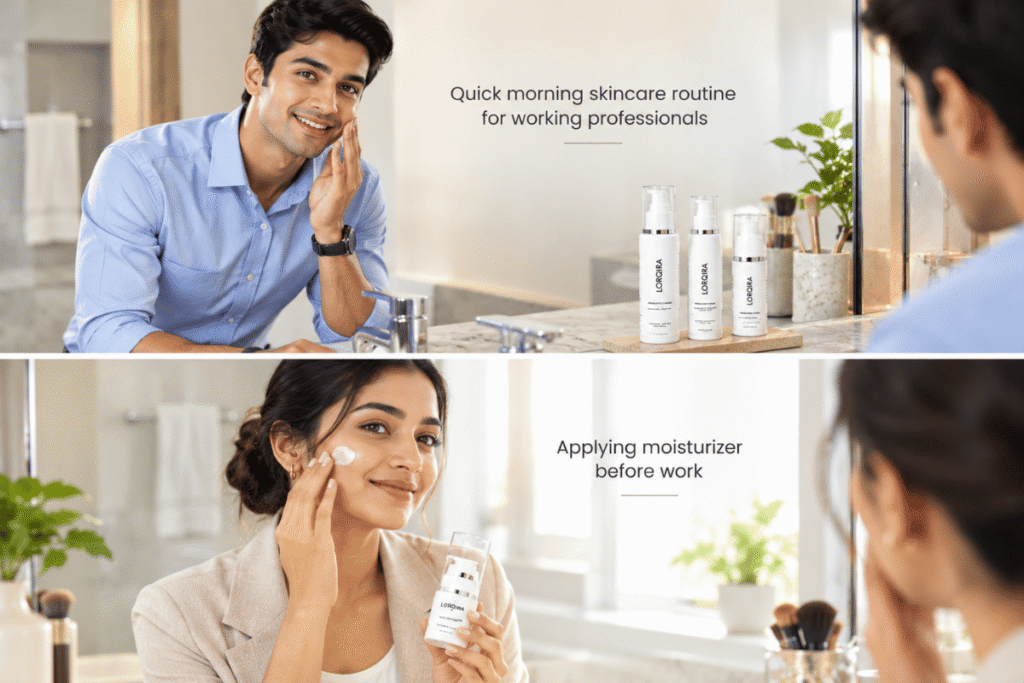
The easiest skincare routine for all seasons has three steps. In the morning, cleanse, moisturize and apply sunscreen. At night, cleanse and moisturize. That is the foundation, and it works whether it is hot, cold, dry or humid.
What changes from season to season is small. In summer, you may use a thinner layer of moisturizer. In winter, you may use a little more. In humid weather, you may cleanse a bit more carefully after sweating. These small adjustments are usually enough.
Why You Should Not Keep Switching Products
One of the most common skincare mistakes is changing products every time your skin feels a little different. One oily day does not mean your cleanser is wrong, and one dry patch does not mean you need a stronger cream.
When you keep switching, you never learn what actually works for you. If your skin reacts, you also cannot tell which product caused it. It usually takes a few weeks of steady use to see how your skin responds to a routine.
Try this simple rule. If your skin feels slightly different, adjust the amount or texture first. Change a product only if it keeps causing discomfort over time. If you have ongoing irritation, severe acne or any skin problem that does not settle, speak to a qualified dermatologist instead of trying product after product on your own.
LORQIRA: Everyday Skincare, Every Season
LORQIRA is built around one simple idea: complete skincare, every day, every season. Instead of a long list of products, the routine uses three everyday essentials.
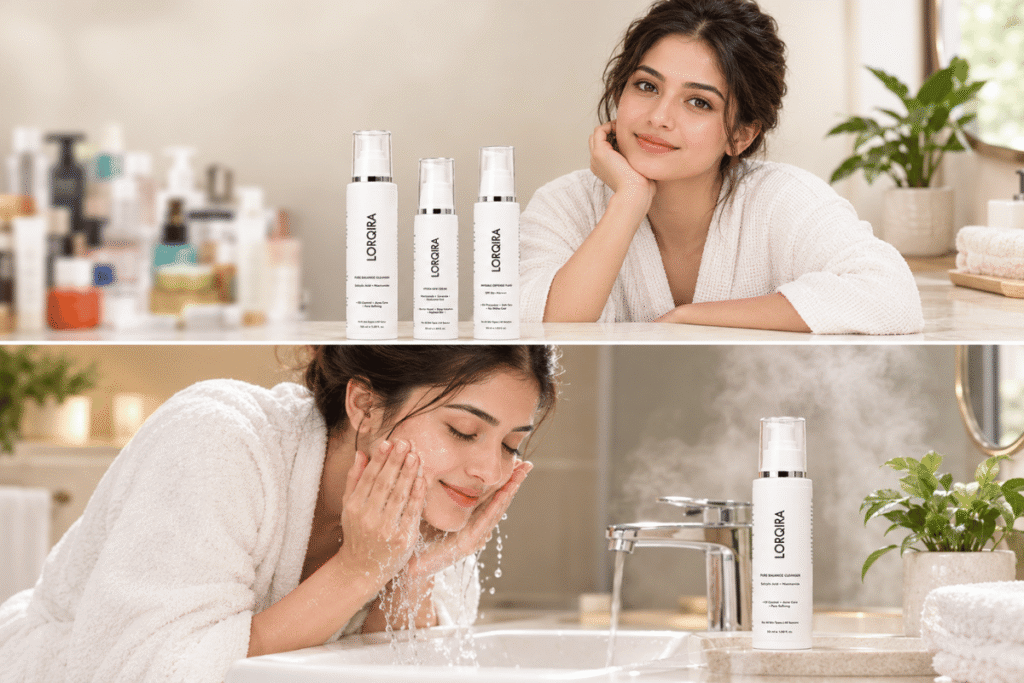
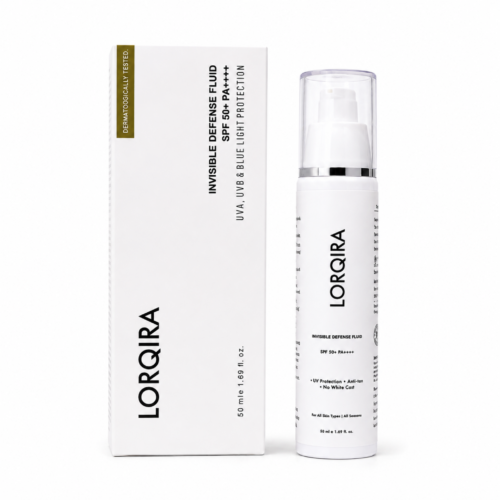
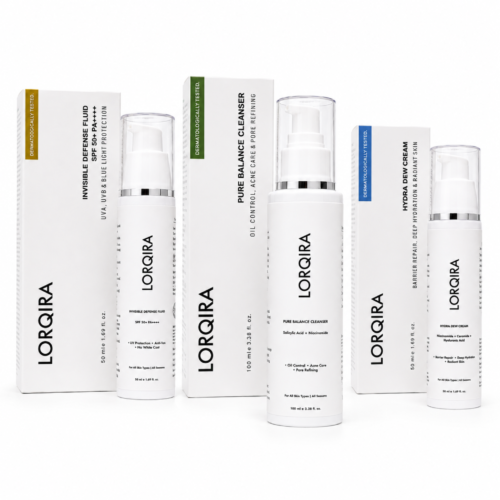
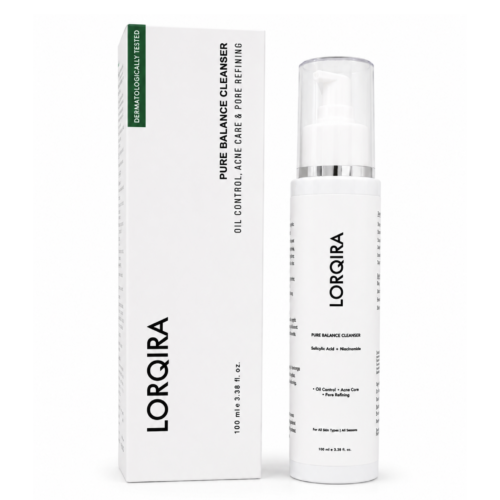
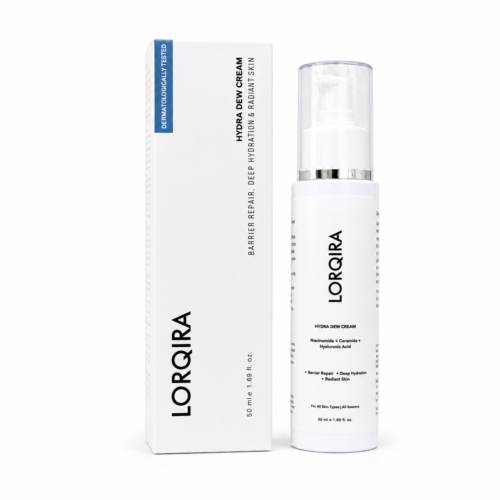
Pure Balance Cleanser is the daily cleansing step. Hydra Dew Cream gives daily hydration and supports the skin barrier. Invisible Defense Fluid is a lightweight SPF 50+ PA++++ sunscreen for daily sun protection. Together, they give you a steady base that you can follow all year and adjust slightly as the weather changes.
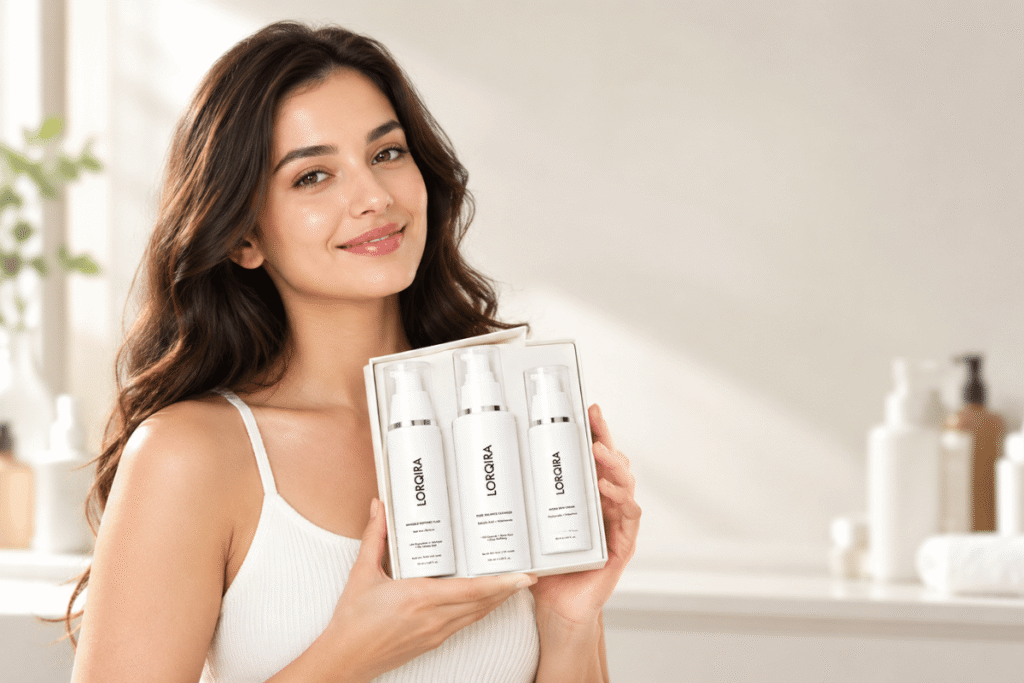
If you want all three in one place, the LORQIRA Daily Defense Kit brings the cleanse, hydrate and protect steps together, so your everyday routine is easy to start and easy to keep.
Final Thoughts
Your skin is not being difficult when it feels oily in summer, dry in winter or sensitive in between. It is reacting to the weather, which is exactly what skin is supposed to do. The best response is a calm, consistent routine with small changes, not a constant cycle of new products.
Cleanse gently, moisturize enough, protect your skin from the sun, and give your routine time to work. That is real seasonal skincare, and it is easy to follow in any weather.
Frequently Asked Questions About Seasonal Skincare
Why does my skin become oily in summer?
Heat and humidity make you sweat more and can make the natural oil on your face spread easily. Together with dust and sunscreen, this can leave your skin feeling oily and sticky.
Why does my skin feel dry in winter?
Cold, dry air and indoor heating pull water out of your skin. This weakens the skin barrier and can leave your skin feeling tight, rough or flaky.
Does skin type change with the seasons?
Your basic skin type usually stays the same, but how your skin feels can change with the weather. Oily skin may feel drier in winter, and dry skin may feel oilier in humid weather.
Should I change my skincare routine every season?
Not completely. A simple routine of cleanser, moisturizer and sunscreen can stay the same all year. You may only need to change the texture or amount of moisturizer.
Do I need moisturizer in summer?
Yes. Even oily skin needs hydration. In summer, choose a lightweight gel or lotion moisturizer so your skin stays comfortable without feeling heavy.
What is a good winter skincare routine?
Use a gentle cleanser with lukewarm water, apply a hydrating moisturizer while your skin is slightly damp, and finish with sunscreen in the morning. Avoid very hot showers and harsh scrubbing.
Why does my skin feel sensitive when the weather changes?
Your skin needs time to adjust to new temperature and humidity. Wind, pollution, sun and using too many products at once can make it react more easily during this time.
Do I need sunscreen in every season?
Yes. UV rays reach the skin throughout the year, even on cloudy or cooler days, so daily sunscreen is useful in every season.
How should I take care of my skin in monsoon?
Keep your routine light and simple. Cleanse gently after sweating, use a lightweight moisturizer and continue wearing sunscreen, since UV rays are still present on cloudy days.
Why should I avoid changing skincare products too often?
Frequent changes make it hard to know what works for your skin. If irritation happens, you also cannot tell which product caused it. Give a routine a few weeks before judging it.
Can hot water damage my skin?
Very hot water can remove natural oils and make your skin feel drier. Lukewarm water is a gentler choice for washing your face and body.
When should I see a dermatologist?
See a dermatologist if you have ongoing irritation, severe acne, painful redness or any skin concern that does not improve with a simple, gentle routine.