How to Choose Skincare Products for Your Skin Type
Walking into a skincare store, or scrolling through an online skincare aisle, can be overwhelming. One product says it's for oily skin. Another says it's for dry skin. Another is designed for sensitive skin, acne-prone skin, or combination skin. Shelves are stacked with claims, and every brand seems to promise something different.
So how do you actually know what your skin needs?
The first step isn't buying based on marketing claims or what influencers are using. It's understanding your own skin — how it behaves, what it reacts to, and what it's actually missing. Once you know that, choosing products becomes far simpler. This guide from LORQIRA breaks down each skin type and how to shop for it without overcomplicating your routine.
What Are the Main Skin Types?
Skin is commonly grouped into five broad categories:
- Normal
- Dry
- Oily
- Combination
- Sensitive
These categories are useful starting points, but they're not fixed labels. Your skin can behave differently depending on the weather, your environment, your lifestyle, stress levels, hormones, and even the products you're already using. Someone can have oily skin in summer and noticeably drier skin in winter. That's normal, and it's why understanding your skin is more useful than memorizing a single category.
Normal Skin
Normal skin isn't oily or dry in any noticeable way — it tends to feel comfortable, with balanced oil production and minimal sensitivity. If this sounds like your skin, you likely have more flexibility in the products you choose, but that doesn't mean skipping the basics. A gentle cleanser, a lightweight moisturizer, and daily sunscreen are still essential for keeping skin balanced and protected over time.
Oily Skin
Oily skin tends to produce more sebum than other skin types and may appear shiny, particularly around the forehead, nose, and chin — often called the T-zone. It can also be more prone to enlarged pores and breakouts.
A lightweight routine tends to work best here. Look for gentle, non-stripping cleansers, lightweight hydration (gel-based or water-based moisturizers rather than heavy creams), and oil-free or non-comedogenic sunscreen for daily use.
One common mistake is assuming that aggressively removing oil is always better. Over-cleansing or using harsh, drying products can strip the skin too much, which sometimes triggers it to produce even more oil to compensate. Balance, not stripping, is the goal.
Dry Skin
Dry skin may feel tight, rough, flaky, or uncomfortable, especially after cleansing or in colder weather. It can also be more prone to fine lines appearing more visible due to lack of moisture.
Look for moisturizing ingredients such as ceramides, glycerin, hyaluronic acid, panthenol, and squalane — these help attract and lock in moisture. A gentle, non-foaming cleanser and a richer moisturizer are particularly important here, since harsh cleansers can worsen dryness rather than help it.
Combination Skin
Combination skin typically has areas that run oilier — usually the T-zone — and areas, like the cheeks, that feel drier or more normal. This is one of the most common skin types, and also one of the most confusing to shop for, since it seems to need two different routines at once.
The better approach is to avoid using completely different products for every area of your face. Instead, start with a balanced routine that works reasonably well across your whole face, and only adjust with targeted products (like a mattifying product just on the T-zone) if you find it necessary.
Sensitive Skin
Sensitive skin may react easily to certain ingredients, fragrances, or environmental changes — showing up as redness, itching, stinging, or irritation after using certain products.
A simple routine with fewer products makes it much easier to identify what's actually causing a reaction. If you're introducing five new products at once and your skin reacts, you have no way of knowing which one is the culprit. Fragrance-free, minimally formulated products are often preferred by people with sensitive skin, and it's worth patch-testing anything new before applying it to your full face.
How to Patch-Test a New Product
Before adding any new product to your routine, apply a small amount to an inconspicuous area — like behind your ear or along your jawline — and wait 24 to 48 hours. If there's no redness, itching, or irritation, it's generally safe to introduce into your full routine. This is especially important for sensitive skin, but it's a good habit for any skin type when trying something new.
Does Your Skin Type Change?
Your skin can feel noticeably different throughout the year. Hot, humid weather often makes skin feel oilier, while dry or cold conditions can leave it feeling tighter and flakier. Indoor heating and air conditioning can also affect how your skin behaves.
This doesn't necessarily mean you need to replace your entire skincare routine every season. Often, your routine just needs small adjustments — a slightly richer moisturizer in winter, or a lighter one in summer — rather than a complete overhaul.
A Simple Approach to Product Selection
Instead of asking, "What's the strongest product I can buy?" ask, "What does my skin actually need right now?" Stronger doesn't mean better, and many beginners end up irritating their skin by reaching for potent actives before their skin barrier is ready for them.
For everyday skincare, most skin types can start with the same simple foundation:
Cleanser + Moisturizer + Sunscreen
From there, consider adding targeted products only when you have a specific, well-understood reason for using them — not just because a product is trending.
LORQIRA's Approach
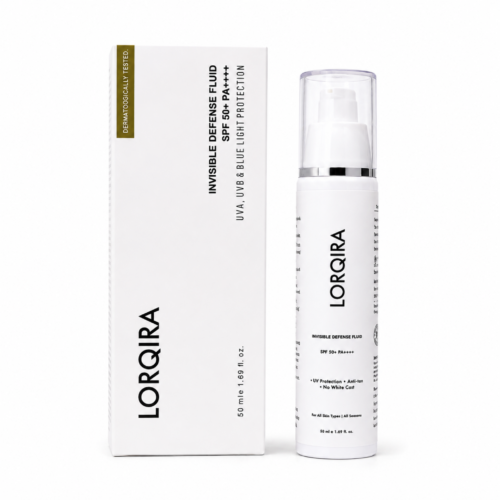
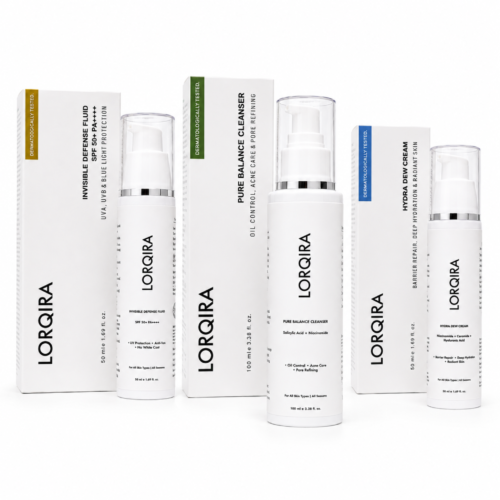
LORQIRA focuses on simplifying everyday skincare with three core products designed to work across skin types:
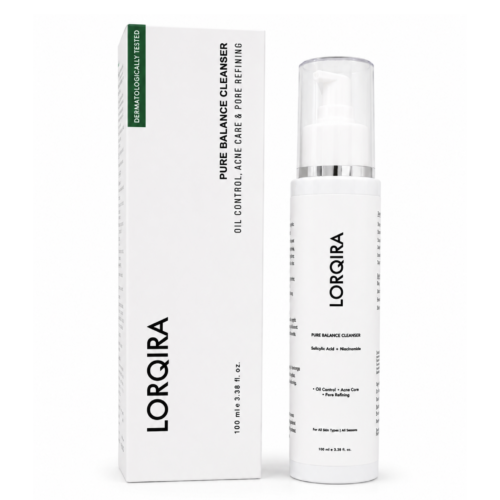
- Pure Balance Cleanser — daily cleansing
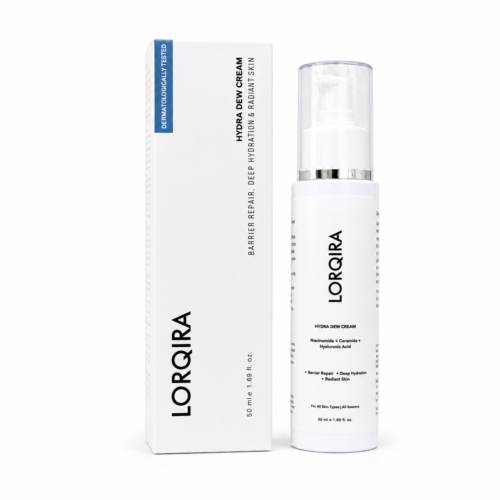
- Hydra Dew Cream — daily hydration
- Invisible Defense Fluid — daily sun protection
The goal isn't to create a complicated routine for every possible skin category. It's to build a practical, reliable foundation that works for everyday skincare — regardless of whether your skin leans oily, dry, sensitive, or somewhere in between. If you'd rather not piece the routine together product by product, the LORQIRA lineup is built to work as a complete system from the start.
Frequently Asked Questions
1. How do I know my skin type?
Observe how your skin feels and behaves after gentle cleansing, and again a few hours later throughout the day. If it feels tight and rough, it may lean dry. If it looks shiny, especially in the T-zone, it may lean oily. If both happen in different areas, it's likely combination. Persistent or unclear concerns are worth discussing with a dermatologist rather than guessing.
2. Can oily skin use moisturizer?
Yes. Moisturization is still important for oily skin. Skipping it can actually cause your skin to overcompensate by producing more oil, so a lightweight, non-heavy moisturizer is usually recommended rather than none at all.
3. Should sensitive skin use many products?
No. A simpler routine with fewer products makes it much easier to identify which ingredients your skin tolerates well and which ones trigger irritation. Introducing multiple new products at once makes it difficult to isolate the cause of any reaction.
4. Do I need different skincare products in summer and winter?
Not necessarily. Your routine may need small adjustments based on environmental conditions — like a richer moisturizer in colder months — but you don't automatically need to replace your entire routine each season.
5. What's the difference between combination skin and normal skin?
Normal skin feels balanced across the whole face, while combination skin has distinct oilier areas (usually the T-zone) alongside drier or more balanced areas, like the cheeks.
6. How can I tell if a product is too harsh for my skin?
Signs include tightness, redness, stinging, excessive dryness, or breakouts after use. If a product consistently causes discomfort, it's worth discontinuing and patch-testing alternatives.
7. Do I need a different cleanser for oily versus dry skin?
Often, yes. Oily skin tends to do better with a gentle, oil-balancing cleanser, while dry skin benefits from a hydrating, non-foaming cleanser that won't strip natural oils.
8. Is it normal for my skin type to change over time?
Yes. Skin can change due to age, hormones, climate, and lifestyle factors. It's common for someone's skin to become drier with age or shift with seasonal changes.
9. What ingredients should sensitive skin avoid?
Fragrance, high concentrations of active ingredients, and alcohol-based formulas are common irritants for sensitive skin. Fragrance-free, minimally formulated products are usually a safer starting point.
10. Can I use the same moisturizer year-round?
For many people, yes, especially if their skin doesn't change dramatically with the seasons. Others find they need a lighter formula in summer and a richer one in winter.
11. How long should I patch-test a new product before using it fully?
Generally 24 to 48 hours on a small area, like behind the ear or along the jawline, before applying it to your full face.
12. What's the best skincare routine for combination skin?
Start with a balanced cleanser and moisturizer that works across your whole face, then add targeted products only to specific areas — like the T-zone — if needed, rather than using entirely separate routines for each zone.
13. Does drinking water improve my skin type?
Hydration supports overall skin health, but it doesn't change your underlying skin type. Topical hydration through moisturizer is still necessary even if you're well-hydrated internally.
14. Can stress affect my skin type?
Yes. Stress can affect oil production and skin sensitivity, which is why skin sometimes behaves differently during high-stress periods even without changing your routine.
15. Should I choose products based on my skin type or my skin concerns?
Both matter, but skin type (oily, dry, combination, sensitive) determines the texture and base formula that will feel comfortable, while specific concerns (acne, dark spots, aging) determine which targeted ingredients to look for within that.