How to Build a Simple 3-Step Skincare Routine for Beginners
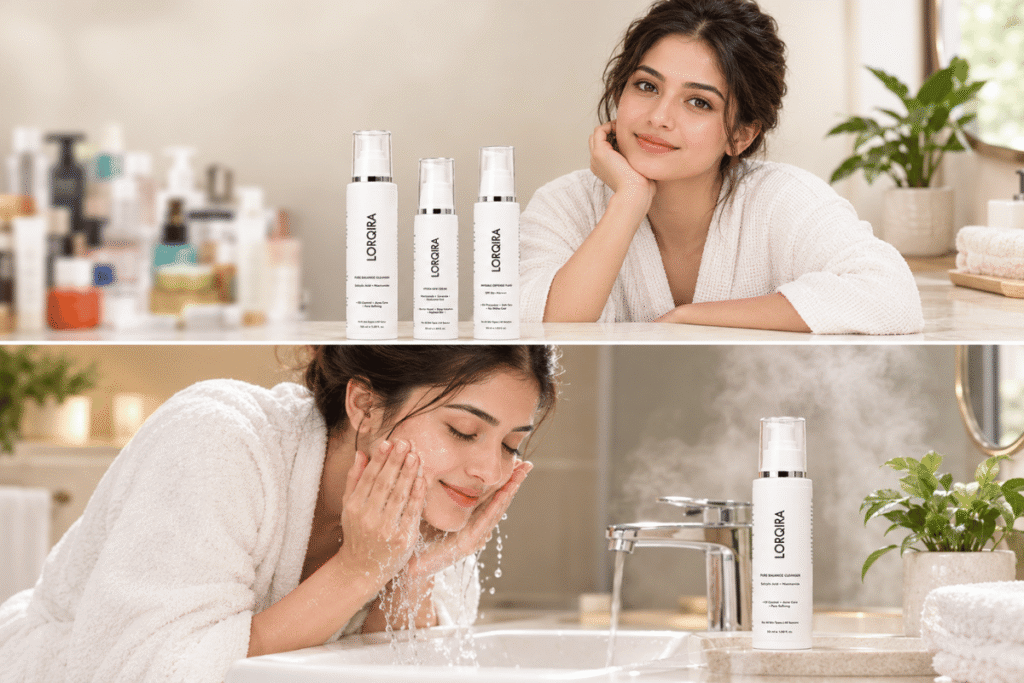
Walk into any skincare aisle, or worse, open TikTok, and you'll be told you need a double cleanser, three serums, an exfoliating acid, a hydrating toner, a retinol, an eye cream, and a "glass skin" mask — all before you've even had coffee.
Here's the truth: most beginners don't need any of that.
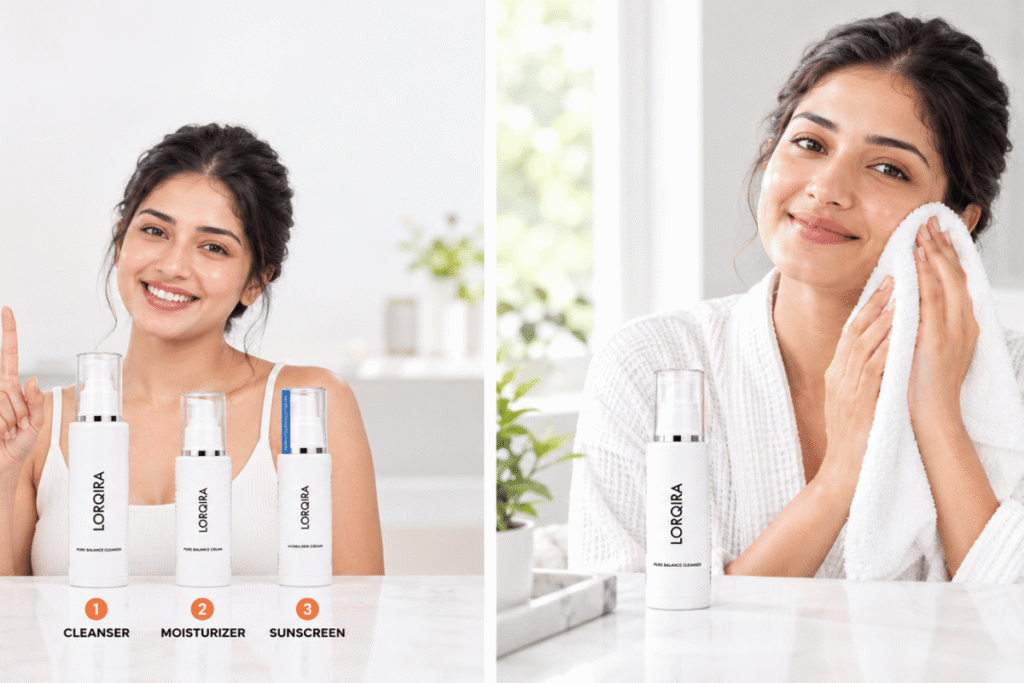
Dermatologists have said for years that a basic skincare routine really only needs three steps: cleanse, moisturize, and protect. That's it. Everything else is optional, and for a lot of people, it's unnecessary until a specific concern shows up.
If you're just starting out, or you've tried the 10-step approach and burned out on it, this guide from LORQIRA walks you through the exact 3-step routine, why each step matters, and how to actually stick with it.
Why a Minimal Routine Works Better Than a Complicated One
The biggest mistake beginners make isn't picking the "wrong" products — it's picking too many of them.
A complicated routine fails for a simple reason: you stop doing it. Skincare only works if you're consistent, and consistency is hard to maintain with eight steps every morning and night. A simple routine removes the guesswork, lowers your risk of irritation from mixing too many active ingredients, and makes it much easier to tell what's actually working on your skin.
More products also means more variables. If your skin reacts badly, a 3-step routine makes it obvious which product caused it. A 10-step routine turns that into a guessing game.
Step 1: Cleanse
Cleansing removes the buildup your skin accumulates during the day or overnight — sweat, oil, dirt, sunscreen residue, and pollution. It's the foundation every other product depends on, because nothing absorbs well into skin that's still covered in grime.
The goal isn't to strip your skin until it feels tight or squeaky clean. That "squeaky clean" feeling is usually a sign your cleanser removed too much of your skin's natural oil, which can actually damage your moisture barrier over time. A good cleanser leaves your face feeling clean and comfortable, not dry or pulled.
What to look for: a gentle, fragrance-free formula suited to your skin type, with ingredients that clean without over-drying.
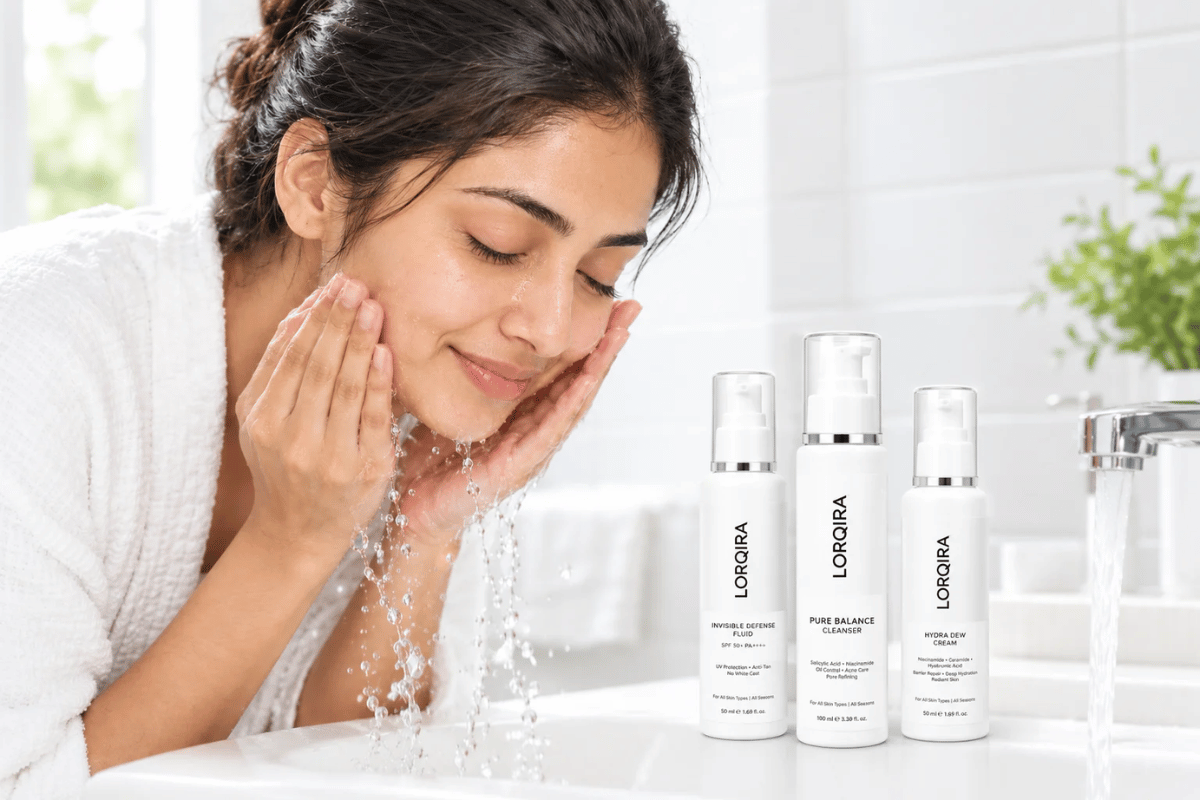
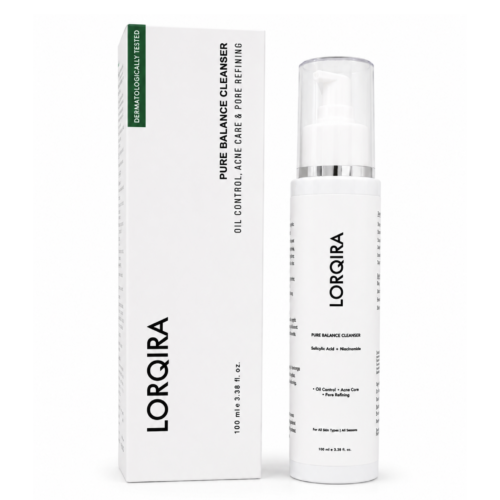
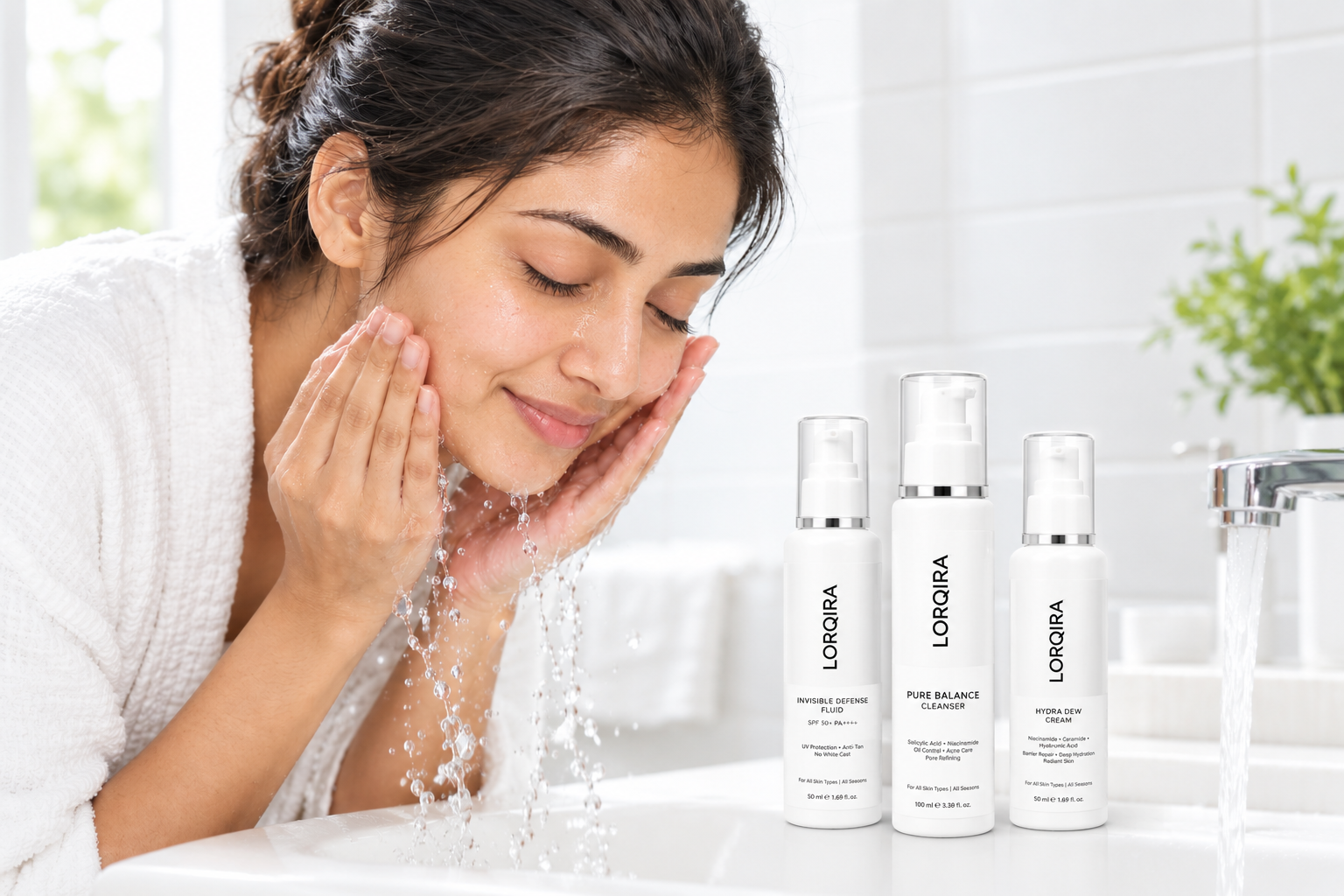
Example: LORQIRA Pure Balance Cleanser combines 1% salicylic acid with 2% niacinamide, zinc PCA, panthenol, glycerin, and allantoin — a fragrance-free formula built for everyday use without over-stripping the skin.
Step 2: Moisturize
Moisturizer isn't just for dry skin. Every skin type — including oily and acne-prone skin — needs it, because moisturizer supports your skin barrier and prevents water loss. Skipping it because your skin feels oily can actually backfire: stripped, dehydrated skin often produces more oil to compensate.
Ingredients worth looking for: niacinamide, ceramides, hyaluronic acid, panthenol, and other humectants. These help skin hold onto moisture and keep the barrier functioning properly.
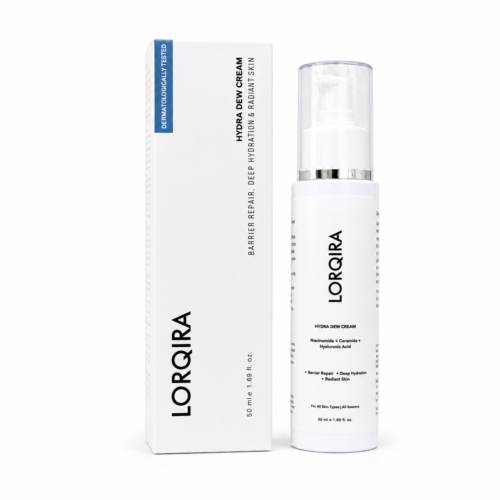
Example: LORQIRA Hydra Dew Cream uses 5% niacinamide, ceramide NP, hyaluronic acid, panthenol, and allantoin to support hydration and the skin barrier without feeling heavy.
Step 3: Protect With Sunscreen
This is the step people skip most — and the one that matters most long-term. Unprotected UV exposure is the single biggest driver of premature skin aging, and it's also linked to sunburn and other skin damage. No serum or cream undoes what daily sun exposure does over years.
Use a broad-spectrum sunscreen, apply enough to actually cover your face and neck (most people apply too little), and reapply if you're sweating, swimming, or outside for long stretches.
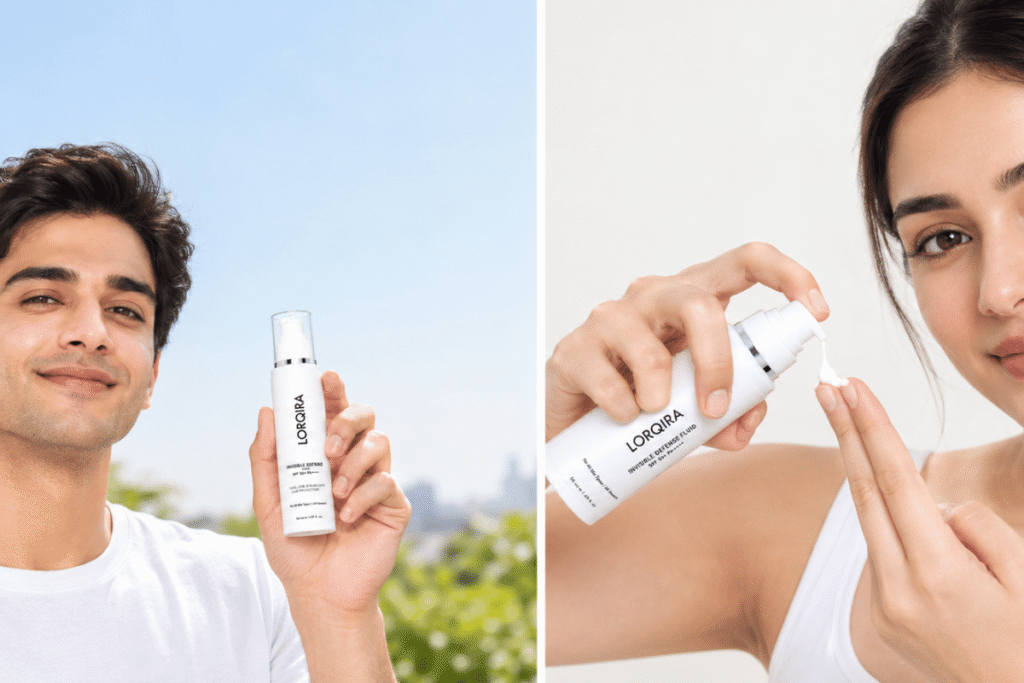
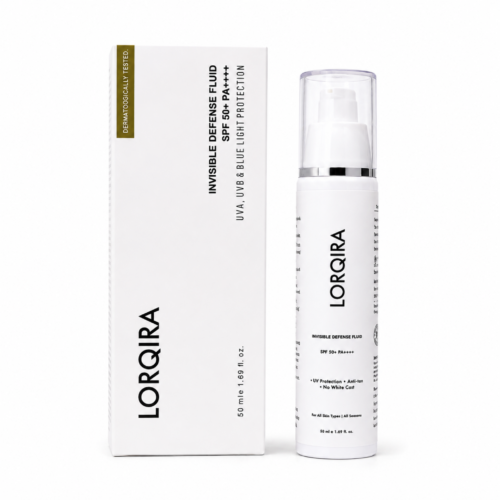
Example: LORQIRA Invisible Defense Fluid is SPF 50+ PA++++, formulated for lightweight daily wear that doesn't feel greasy or heavy under makeup.
Putting It Together: Your Daily Routine
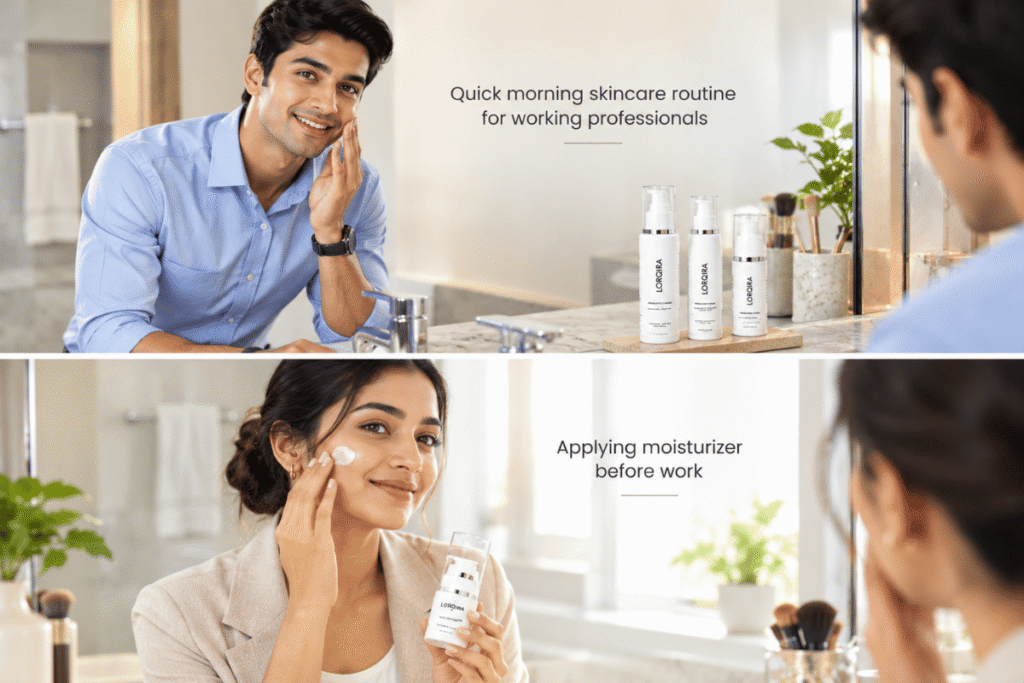
Morning: Cleanser → Moisturizer → Sunscreen
Evening: Cleanser → Moisturizer
There's no toner, no exfoliant, no serum stack required. If your skin is happy with just these three steps, you genuinely don't need to add more. You can layer in additional products later, once you have a specific, well-understood concern — but more products isn't automatically better skin.
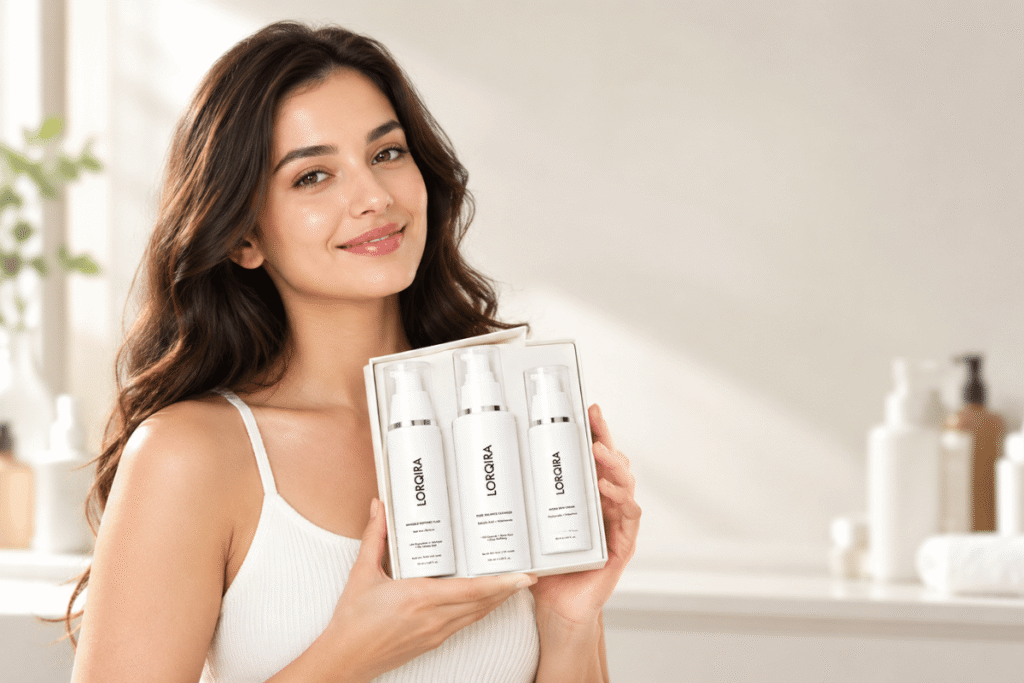
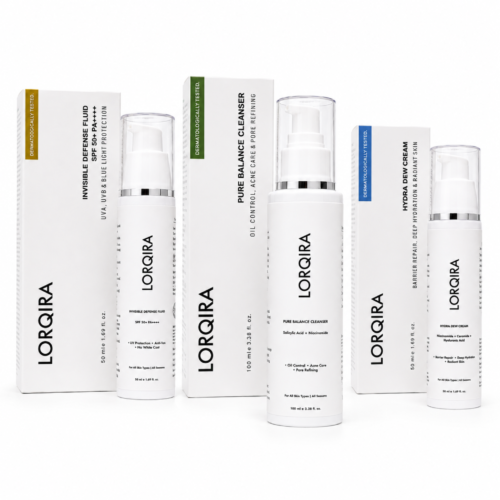
Want all three essentials in one place? The LORQIRA Daily Defense Kit bundles the cleanser, moisturizer, and sunscreen together, so you don't have to piece the routine together yourself.
Who Should Stick With a 3-Step Routine?
A simple routine is a smart starting point if you:
- Are new to skincare and don't know where to start
- Don't have a diagnosed or major skin concern
- Have a busy schedule and want something sustainable
- Get overwhelmed or irritated by too many products
- Would rather build consistency before adding complexity
If you have a persistent issue — cystic acne, rosacea, hyperpigmentation that isn't fading, eczema — a dermatologist can tell you which targeted product to add rather than guessing.
Common Mistakes Beginners Make
- Skipping sunscreen because it's cloudy or they're indoors most of the day. UV rays pass through clouds and windows.
- Adding new products too fast. Introduce one new product at a time so you can tell what's working (or what's causing a reaction).
- Over-cleansing. Washing your face more than twice a day usually does more harm than good.
- Chasing trends instead of your own skin's needs. What works for someone else's skin type may not work for yours.
The Bottom Line
Skincare doesn't have to be complicated to be effective. Cleanse, moisturize, protect — done consistently, this 3-step approach gives most people's skin what it actually needs. Once you've built that habit, you can decide, ideally with real evidence from your own skin, whether anything else is worth adding. Explore the full routine at LORQIRA.
Frequently Asked Questions
1. What is the 3-step skincare routine?
It's a basic routine made up of a cleanser, a moisturizer, and sunscreen (during the day), designed to cover the core needs of most skin types without extra products.
2. Is a 3-step skincare routine enough for beginners?
Yes. For most people without specific skin concerns, cleansing, moisturizing, and sun protection form a complete daily foundation.
3. What order should I apply skincare products?
Generally: cleanser first, moisturizer second, and sunscreen last in the morning (before makeup or SPF-containing products).
4. Do I need a toner if I'm following a 3-step routine?
No. A toner is optional and not required for a basic, effective routine.
5. Can oily skin use a moisturizer?
Yes. Oily skin still needs hydration — skipping moisturizer can actually trigger more oil production.
6. Should sunscreen be the last step in my morning routine?
Yes, sunscreen is typically applied as the final skincare step, before makeup.
7. Do I need sunscreen if I'm indoors most of the day?
Yes, if you're near windows. UV rays can pass through glass and still contribute to skin damage over time.
8. How many skincare products do beginners actually need?
Three: a cleanser, a moisturizer, and a daily sunscreen. Everything beyond that is optional.
9. Can men follow a 3-step skincare routine?
Yes. This routine works for any skin type or gender — the steps address universal skin needs, not gender-specific ones.
10. What ingredients should I look for in a beginner moisturizer?
Niacinamide, ceramides, hyaluronic acid, and panthenol are commonly recommended for hydration and barrier support.
11. Is double cleansing necessary for beginners?
No. A single gentle cleanse is usually enough unless you're removing heavy makeup or sunscreen.
12. How long does it take to see results from a basic skincare routine?
Most people notice improved skin texture and comfort within 4–6 weeks of consistent use.
13. Can I use the same routine in the morning and at night?
Almost — the only difference is that sunscreen is used in the morning and skipped at night.
14. When should I add more products to my routine?
Only after you have a specific, understood concern (like acne or dark spots) — ideally based on advice from a dermatologist.
15. What's the biggest mistake beginners make with skincare?
Adding too many products too quickly, which makes it hard to tell what's working and increases the risk of irritation.